










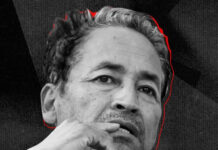


















The Indian podcast industry is booming. From politics and business to entertainment and true crime, fitness and self-help, podcasts have slowly become the new king of the long-form conversation format.
Hosts like Raj Shamani and Ranveer Allahabadia have built massive audiences, turning podcasts into one of the most influential forms of digital media.
But behind the polished studios, celebrity line-ups and viral clips lies an ecosystem that is increasingly raising questions about authenticity.
Bombay Shaving Company founder Shantanu Deshpande has sparked fresh debate by remarking that “Indian podcasts survive on PR budgets and founder egos.”
While the statement has divided opinion online, it has also drawn attention to how many podcasts operate behind the scenes.
The PR Pipeline
Industry professionals say podcast appearances are often coordinated through public relations agencies rather than happening organically. Actors promoting films, startup founders launching products, authors releasing books and public figures seeking visibility frequently appear on podcasts as part of broader publicity campaigns.
For guests, podcasts offer something television interviews often cannot: an hour or more to shape their own narrative in a relaxed environment.
Deshpande argued that PR teams often push founders to tell the same story across multiple shows. “Some PR team or some marketing team will tell their founder that your story is very interesting, you should do a podcast… budget will be allocated. Then this same PR team will reach out to all,” he said.
According to him, founders then end up repeating identical narratives across different podcasts. “This guy will go, in one month, will tell the same story everywhere. He won’t change a single thing.”
He also cited the example of Lalit Modi, arguing that the former IPL chairman had appeared across multiple podcasts repeating largely the same narrative. “Viewer will also get confused. Look at Lalit Modi now. He has gone on 20 places and said the same nonsense,” he remarked.
An investigation by The Economic Times recently added another layer to that conversation, reporting that appearances on some of India’s largest podcasts can cost anywhere between ₹15 lakh and ₹30 lakh, with promotional packages extending beyond the interview itself to Instagram Reels, YouTube Shorts and other social media content.
According to the report, entrepreneurs and business leaders increasingly view podcast appearances as part of their branding strategy.
Raj Shamani, whose Figuring Out podcast has become one of India’s biggest interview platforms, told the publication that paid guests account for less than 20% of his content and are primarily CEOs who want to share their expertise. He added that his team retains editorial control, vets guests and does not share questions beforehand.
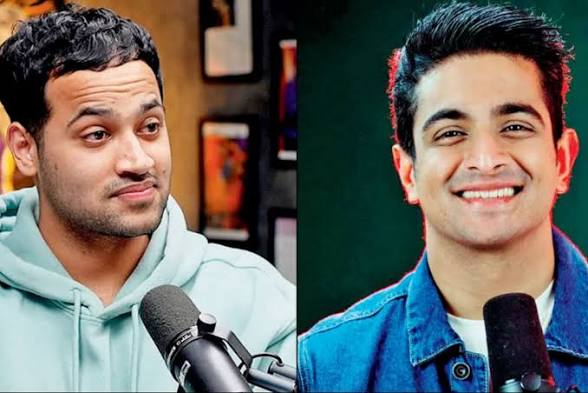
Yet the controversy is no longer just about whether paid podcast appearances exist. Increasingly, critics argue that commercial incentives are also influencing the kind of conversations audiences are watching.
The debate has also extended beyond industry reports. In a recent interview with journalist Barkha Dutt, entrepreneur and author Rishabh Shah alleged that some prominent influencer-led podcasts charge guests substantial sums for appearances, arguing that such interviews are often presented to viewers as organic conversations despite having commercial underpinnings.
Take a look at the video here:
Similar concerns have surfaced on social media, where creators discussing the business of influencer marketing have claimed that paid podcast appearances and undisclosed promotional interviews are becoming increasingly common. While these claims remain contested and are not independently verified in every instance, they have added to the wider conversation around transparency and disclosure in India’s rapidly expanding podcast industry.
When The Guests Set The Agenda
Critics argue that many interviews are increasingly driven by the guest’s promotional objectives. Instead of challenging questions or fact-checking, conversations may focus on personal stories, inspirational anecdotes and carefully crafted narratives.
Bombay Shaving Company founder Shantanu Deshpande summed up the criticism bluntly when he said, “The issue is the guest is setting the agenda, because the host is commercially motivated. All of these guys are running P&Ls. Now the guest runs the agenda, which is completely against the art of a podcast.” He argued that commercial pressures have fundamentally changed the interview format.
Deshpande contrasted this with international podcasts, saying, “You look at Joe Rogan or Steven Bartlett or any of these guys. They set the agenda. The guest is the participant.”
This doesn’t mean every podcast follows this model. Many creators produce thoughtful, well-researched interviews. However, the growing influence of PR within the ecosystem has raised concerns about where journalism ends and brand-building begins.
Read more: Think Vijay Mallya Is The Victim After His 4 Hour Podcast? Multiple Posts Quash Marketing Trick
The concern has also surfaced within the podcasting community itself. Dostcast host Vinamre Kasanaa told The Economic Times that he had stopped accepting paid guests because “excessive commercialisation of podcasts… is making all podcasts look and feel the same.”
Another anonymous podcaster quoted by the publication described paid podcasting as a “cash cow”, arguing that the real value lies in the PR generated for the guests rather than the interview itself.
Audience perception appears to be shifting as well. Following Raj Shamani’s interview with fugitive businessman Vijay Mallya, social media was flooded with criticism that the episode functioned more as an image-rehabilitation exercise than a hard-hitting interview.
X/Twitter user @kadaipaneeeer wrote, “the whole podcast business in India is lately high on changing narratives, some of you have zero idea how much podcasters charge for one hour podcast with a guest……. giving the mic to someone like Mallya without hard accountability questions isn’t storytelling, it’s reputation laundering.”
Here’s a look at the controversial podcast:
Similar conversations have also spilt onto Reddit, where multiple discussion threads have questioned the growing overlap between podcasting, public relations and personal branding.
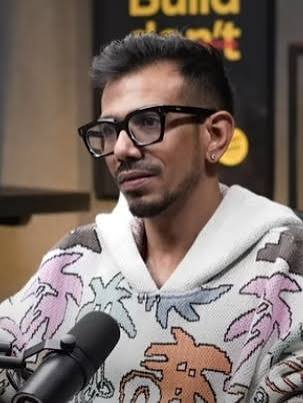
Various comments on a Reddit thread titled “Thoughts on Raj Shamani’s paid podcast exposed” on r/InstaCelebsGossip provided different opinions. Raj Shamani’s interview with cricketer Yuzvendra Chahal had several users questioning whether the episode was intended to influence public perception following his personal life making headlines.
One commenter wrote, “The Chahal one was so evident it was done purposely to better his image and was paid to change the narrative and gain sympathy for him.” In the same discussion, another user wrote, “This is how PR works. BeerBatli used to charge 20L+ for a podcast… if you’ve got the money, they’ll get you on.”
In a separate Reddit thread titled, “Paid podcasts? My 2 cents in the description below” on the same subreddit, a discussion on alleged paid podcast appearances generated further speculation about the economics of India’s podcast industry.
One user claimed, “My client ended up paying 10–15 lakhs to Raj for the podcast,” while another, alleging that rates went pretty high, wrote, “One of my clients said his range was upwards of 35L.”
Similar questions have also emerged around product recommendations made during long-form podcasts. A recent episode of The Secret Sauce featuring dermatologist Dr Jaishree Sharad sparked discussion on social media after she recommended ZO Skin Health products.
Some viewers questioned whether such brand mentions should be accompanied by clearer disclosures if any commercial relationship exists. There is no public evidence that the recommendation was sponsored, but the discussion reflects growing audience expectations around transparency in influencer-led conversations.
View this post on Instagram
In another video, Podcaster Kushal Lodha talks about the growing trend of paid podcasts in India and how top podcasters are charging around ₹25L – ₹30L for a podcast.
View this post on Instagram
Sensationalism Sells
Another criticism levelled at parts of India’s podcast ecosystem is the growing reliance on sensational claims.
Extraordinary health advice, controversial opinions, conspiracy theories and provocative personal stories often generate viral clips that travel rapidly across social media. In the race for engagement, emotionally charged statements can receive far more attention than nuanced discussions.
Media experts have also warned that podcast hosts, unlike traditional newsrooms, may not always have formal editorial processes or fact-checking mechanisms, increasing the risk of misinformation reaching large audiences.
Influencers frequently invite guests to present highly subjective, opinion-based claims as absolute facts, capitalising on emotional or sensational storytelling without enforcing rigorous fact-checking.
The issue has even drawn criticism from fellow creators. Following the controversy surrounding India’s Got Latent, comedian Kunal Kamra mocked influencer-led podcasts as “FraudCasting”, accusing creators of “clout chasing” and fuelling controversy for engagement. His comments echoed a broader criticism that the race for virality can sometimes take precedence over journalistic rigour.
Business Behind The Boom
With more than 57 million monthly podcast listeners in India, podcasts have become more than a content format. They are becoming powerful personal branding tools.
Deshpande argued that many podcasts have shifted away from conversations towards commercial objectives. “Now they have become commercially motivated. And the art form is dying before it took off,” he said.
For creators, viral clips turn into subscribers, sponsorship and advertising revenue. For guests, appearances can boost visibility, shape public perception and support wider marketing campaigns. For brands, podcasts offer a way to reach highly engaged audiences through conversations that feel more personal than conventional advertising.
Deshpande believes commercial incentives now dominate the space. “This is all running on fumes,” he said, arguing that many podcasts are sustained by founders and brands willing to invest in visibility rather than long-term audience engagement.
He also claimed, “It’s only working because there are high ego people who have allocated budget to see themselves on YouTube.” While that reflects his personal assessment, others in the industry dispute the characterisation, pointing to the continued growth of podcast audiences and advertising.
The Advertising Standards Council of India (ASCI) has also weighed in on the debate, noting that when a podcast promotes a brand, it may qualify as advertising and should be appropriately disclosed. As paid appearances become more common, transparency around sponsored conversations is emerging as one of the industry’s biggest challenges.
Deshpande also questioned whether the current business model is sustainable in the long run. “I don’t think viewers care. You cannot dish out nonsense to viewers and expect them to keep listening. It doesn’t happen,” he said, arguing that audiences would eventually reject repetitive, commercially driven conversations.
The Bigger Question
As podcasts continue to shape public opinion, the debate is no longer just about their popularity but about their responsibility.
When interviews increasingly overlap with marketing, personal branding and promotional campaigns, listeners are left with an important question: are they consuming independent conversations, or carefully curated narratives designed to influence public perception?
Deshpande believes the current model is ultimately unsustainable, predicting that commercially driven podcasts will eventually lose momentum if audiences stop engaging with repetitive conversations.
His remarks may have sparked the discussion, but they have also exposed broader questions about transparency, credibility and editorial responsibility in India’s rapidly expanding podcast industry. As podcasts increasingly blur the lines between journalism, marketing, entertainment and public relations, the industry’s biggest challenge may no longer be attracting listeners—it may be convincing audiences that the conversations they’re watching are genuinely authentic.
Image Credits: Google Images
Sources: The Economic Times, Mint, The Hindu
Find the blogger: @diptisadh
This post is tagged under: podcasts, paid podcasts, raj shamani, ranveer allahabadia, beer biceps, vijay mallya, pr, paid pr, yuzvendra chahal, barkha dutt, indian podcasts, shantanu deshpande, figuring it out, paid promotions, lalit modi, long-form conversations, organic interviews, organic discussions
Disclaimer: We do not own any rights or copyrights to the images used; these images have been sourced from Google. If you require credits or wish to request removal, please contact us via email.