




























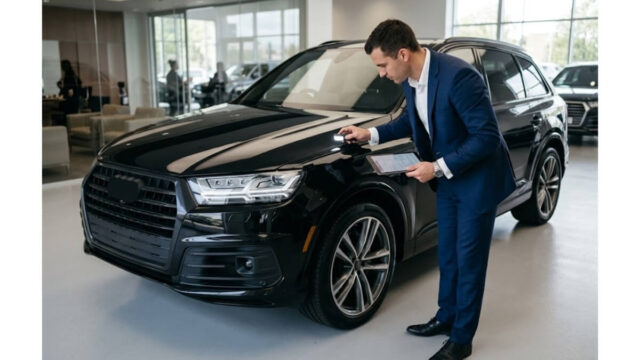
A pre-delivery inspection is important for any new car. For a premium or luxury vehicle, it is essential in a different way entirely. The systems are more complex, the margin for error is smaller, and the cost of getting it wrong, financially and in terms of the ownership experience, is considerably higher.
The standard PDI checklist that works well for a mid-range hatchback is not sufficient for a car with adaptive air suspension, ADAS features, a panoramic roof, and a 15-speaker sound system. Each of those systems requires its own verification, and missing even one can mean months of warranty claims on something that could have been caught in twenty minutes before delivery.
Why Premium Cars Carry a Unique Risk
High-value cars spend longer in transit. They are often imported, which means more time on cargo ships and in bonded warehouses before they reach Indian shores. Some are shipped partially disassembled to reduce transport risk, which means reassembly happens at the port or the dealership. These are additional points of vulnerability that simply do not apply to locally manufactured vehicles.
Premium cars also have a higher density of electronic and mechanical components per square metre of the vehicle. More components mean more that can be slightly off. A minor calibration issue in an adaptive headlight or a lane-keeping assist system might not manifest as an obvious fault during a test drive, but it will show up in use and require a specialist visit to resolve.
Exterior: Beyond Scratches and Dents
For a premium vehicle, the exterior inspection goes deeper than checking for visible damage. Paint depth measurement is critical because premium cars use multiple layers of paint, lacquer, and protective coatings, and any repair work after transit damage disrupts these layers in ways that a paint depth gauge can detect immediately.
Panel alignment matters more at this price point too. A gap of two millimetres between a door and the body might be acceptable on a budget car. On a luxury vehicle, it is a defect that affects both aesthetics and wind noise at speed. Chrome trim, wood inserts, and soft-close doors all need to be checked individually for function and finish quality.
The ADAS and Electronics Layer
Advanced driver assistance systems are standard on most premium cars today and they represent the most inspection-intensive area of any high-value PDI. Radar sensors, camera arrays, ultrasonic parking sensors, and lane departure systems all need to be calibrated to precise specifications. If any sensor was disturbed during transit or dealer prep, the calibration is off, and the system will either underperform or behave unpredictably.
Checking ADAS is not a matter of turning the car on and pressing a button. It requires diagnostic equipment that connects to the system and reads live sensor data, not just whether the system switches on. Infotainment systems need to be tested for response time, navigation accuracy, wireless connectivity, and software version. Some high-end vehicles have over-the-air update capability, and confirming the latest software version is on board before delivery is a step that is easy to skip and easy to regret.
Mechanical Checks That Premium Buyers Often Skip
Buyers of premium cars sometimes assume that a higher price guarantees a higher standard of pre-delivery preparation at the dealership. This is not reliably true. The mechanical checks that matter most include:
- Air suspension calibration and ride height verification, since shipping affects these on vehicles equipped with adaptive systems
- Fluid levels across all systems, including differential fluid on all-wheel drive vehicles, which is separate from and in addition to engine oil and coolant
- Brake pad and rotor condition, particularly on cars that were used for demonstration drives at events or auto shows before reaching your dealership
- Turbocharger and engine bay integrity checks, especially for performance variants that are more sensitive to handling during transport
Documentation and Warranty Verification
A premium car comes with a more complex documentation package. Extended warranty terms, roadside assistance coverage, complimentary service agreements, and connected car subscriptions all need to be verified against what was promised at the time of sale. Read every document carefully and confirm that the coverage period starts from your delivery date, not from an earlier date tied to when the vehicle arrived at the dealership.
The VIN verification process is also more important at this level. Cross-check the VIN on the windshield, the engine bay, the chassis plate, and all documents. A mismatch anywhere is a serious red flag.
Getting the Right Inspector for the Job
Not every PDI provider has experience with luxury vehicles. The inspection approach, tools, and knowledge needed to evaluate a premium car are different from what applies to mass-market models. When booking a pre-delivery inspection for a high-value car, confirm that the inspector has specific experience with the brand and has access to the relevant diagnostic equipment.
Cars24 inspections cover multiple checkpoints and are conducted by trained professionals with experience across vehicle segments. For a premium car, this breadth of assessment is not a luxury. It is the baseline.
Read More: