

























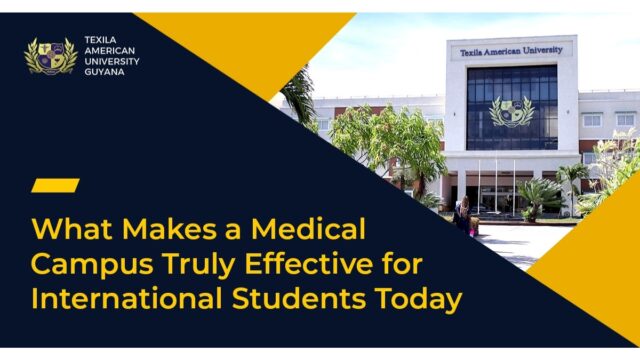
Texila American University, Guyana
New Delhi [India], May 6: Choosing a medical university is no longer just about degrees or rankings. For international students, the effectiveness of a medical campus is measured by how well it prepares them to study, adapt, and eventually practice in a global healthcare environment. A campus must go beyond lectures and exams. It must provide a setting where students can learn, adjust to a new country, and build the skills needed for real-world medical practice.
Today, the idea of an “effective” medical campus is shaped by multiple factors. These include academic structure, clinical exposure, cultural environment, faculty engagement, and access to modern learning tools. Research also shows that the educational environment plays a direct role in student engagement, performance, and overall learning outcomes.
A Strong Academic Foundation That Aligns Globally
An effective medical campus begins with a curriculum that is structured and aligned with global standards. International students often plan to practice medicine in different countries, so the academic content must reflect widely accepted medical knowledge and training approaches.
This means starting with strong foundational sciences such as anatomy, physiology, and pathology, followed by a gradual transition into clinical learning. A well-structured curriculum helps students build confidence as they move from theory to application. Without this progression, students may struggle when they enter clinical environments or prepare for licensing exams.
Equally important is regular curriculum review. Medical knowledge evolves quickly, and campuses that update their teaching methods and content remain more relevant. Studies highlight that outdated curricula can negatively affect student satisfaction and learning effectiveness, making continuous improvement essential.
Clinical Exposure That Builds Real-World Readiness
No medical education is complete without hands-on clinical experience. An effective campus ensures that students are exposed to real healthcare environments where they can observe and participate in patient care.
Early and consistent clinical exposure has been shown to improve critical thinking, communication skills, and professional confidence. It also helps students understand how theoretical knowledge is applied in real situations.
For international students, this exposure is even more valuable. It introduces them to healthcare systems that may differ from those in their home countries, helping them develop adaptability. A campus that integrates clinical training throughout the program, rather than treating it as a final step, offers a stronger preparation for future practice.
A Supportive and Inclusive Learning Environment
Academic strength alone does not define an effective medical campus. The environment in which students study plays a significant role in their success. Research shows that a strong sense of belonging within a campus improves engagement, reduces stress, and supports better academic performance.
International students frequently encounter challenges, including cultural adjustment, language barriers, and separation from home. A campus that fosters inclusion and support helps students overcome these challenges more easily. This encompasses peer interaction, faculty accessibility, and a culture that encourages student questions and discussions.
A welcoming environment also encourages collaboration. Medicine is a team-based profession, and students who learn to work with people from different backgrounds are better prepared for real healthcare settings.
Faculty Engagement and Mentorship
The role of faculty extends far beyond delivering lectures. On an effective medical campus, faculty members act as mentors, guiding students through academic challenges and professional decisions.
Studies show that factors such as faculty interaction, communication, and support significantly influence the effectiveness of medical education. A low student-to-faculty ratio, regular feedback, and open communication channels help students stay engaged and motivated.
For international students, faculty support becomes even more important. Mentors can help them understand expectations, adjust to a new academic system, and plan their future pathways. This relationship builds confidence and reduces uncertainty during the demanding years of medical training.
Access to Learning Resources and Technology
Modern medical education depends heavily on access to resources. An effective campus provides students with libraries, research materials, laboratories, and digital learning platforms that support both structured study and independent learning.
Technology has become an essential part of this environment. Online learning systems, virtual simulations, and access to global research databases allow students to stay updated with current medical knowledge. These tools also make learning more flexible, especially for students who need to revisit complex topics at their own pace.
The integration of technology in medical education is not just about convenience. It enhances learning efficiency and helps students develop habits that are essential for continuous professional development.
A Diverse and Multicultural Student Community
International students benefit greatly from studying in a diverse environment. A medical campus that brings together students from different countries creates opportunities for cultural exchange and broader learning.
This diversity influences classroom discussions, clinical interactions, and daily campus life. Students are exposed to different perspectives on healthcare, which helps them think more critically and adapt to varied patient needs.
In a global healthcare system, doctors often collaborate with colleagues and patients from diverse cultural backgrounds. A multicultural campus helps students develop the communication and interpersonal skills needed in such environments.
Infrastructure That Supports Learning
Physical infrastructure is another important factor. Classrooms, laboratories, libraries, and clinical facilitiesv must be designed to facilitate both academic and practical learning.
Research indicates that inadequate facilities can negatively impact the quality of education and student outcomes. A well-equipped campus ensures that students have the tools they need to learn effectively, whether it is through laboratory work, group discussions, or independent study.
Comfortable and accessible spaces also contribute to a better learning experience. When students can focus on their studies without unnecessary logistical challenges, they are more likely to perform well.
Preparing Students for a Global Medical Career
An effective medical campus does not focus only on graduation. It prepares students for what comes next. This includes licensing exams, postgraduate training, and entry into professional practice.
Students need guidance on how to navigate these pathways, especially when they plan to work internationally. A campus that provides academic support, structured assessments, and exposure to global standards helps students make informed decisions about their future.
This preparation is not limited to academic knowledge. It also involves developing professionalism, communication skills, and the ability to adapt to new environments.
A Balanced Approach to Medical Education
Ultimately, what makes a medical campus truly effective is balance. Academic rigor must be matched with practical exposure. Diversity must be supported by inclusion. Technology must complement, not replace, human interaction.
For international students, this balance is even more important. They are not only learning medicine but also adjusting to a new country, culture, and system of education. A campus that recognizes these needs and addresses them thoughtfully creates an environment where students can grow both academically and personally.
Texila American University in Guyana
For international students, Texila American University in Guyana offers a unique advantage. Located in a multicultural environment, the university provides a welcoming and inclusive campus where students from around the world can feel at home. With globally recognized MD and Pre-Med programs, state-of-the-art facilities, and hands-on clinical training, students gain exposure to diverse healthcare systems and international medical practices. Texila’s academic support and inclusive community make it the ideal choice for students pursuing a confident medical career.
Read more