





























Ever watched one of those influencer videos- “What’s in my Blinkit/Zepto bag?” Out come the munchies, promising to be healthy, high-protein snacks that satisfy cravings, or help you meet your daily protein requirements sans any cooking involved.
Protein paglus immediately rush to the store and scramble to fill their baskets with the newest protein product on the market.
It’s a classic modern-day dilemma: our mothers pondered over what to cook for dinner while we ponder how to meet our daily protein requirements set by our trainers.
Reaching your daily protein goal has become quite the new-age obsession, fuelled by the demand for fitter bodies and healthier lifestyles. But in this race for protein, is the consumer getting what he is paying for?
The Protein Reality
- Protein is the building block of life, essential for constructing, repairing and maintaining every cell in your body.
- The Indian Council of Medical Research (ICMR) prescribes 0.83 grams per kilogram of body weight per day for a healthy sedentary Indian.
- Multiple studies by the ICMR indicate that at least 73% of Indian diets are deficient in protein.
- Campaigns like “Right to Protein” have transitioned protein from a niche product to an everyday necessity. But with the market brimming with protein bars, wafers, cookies, pastas and even atta, the list is exhausting. Are you even alive if you aren’t tracking your protein?
Let’s separate the real from the scam.
The Real Deal
These are minimally processed, nutrient-dense foods. As Redcliff Labs explains, “plant- based proteins such as Greek yoghurt, cottage cheese and beans will stand out in the coming months. They will be among the top purchases on the people’s grocery list. They can help promote satiety, muscle growth, and healthy digestion.”
They provide high-quality protein without the baggage of excessive sugar, unhealthy fats or artificial additives. To verify the real protein content in our daily staples, we looked to standardised nutritional benchmarks often cited by health and pharmacy platforms like Netmeds.
- Sattu – Often called the poor man’s protein, a 100g serving of sattu provides around 20g – 26g of protein. Pairing it with dairy transforms it into a complete protein.
- Greek yoghurt – Provides around 10g – 12g of protein per 100g. Avoid the flavoured varieties that contain added sugars.
- Unflavored Whey – A gold standard for convenience, provides 20g – 27g of protein per scoop.
- Soya chunks – The king of plant protein with the highest bioavailability. 100g of dry soya chunks will give you about 52g of protein.
- Tofu & Tempeh – Tofu provides 8g -10g protein per 100g, while tempeh gives about 19g protein per 100g.
- Paneer – A reliable dairy source with 18g – 21g of protein per 100g.
- Makhana – Fox nut is a great portable snack with 9.7g of protein per 100g.
The protein scams
Heavily marketed as easy, on-the-go protein for convenience. But labels and claims might be misleading. According to research from the Friedman School of Nutrition at Tufts University, “Trying to improve the healthfulness of your snacks? Marketers will tell you a protein bar is the answer. But beware: nearly all bars are ultraprocessed, and some are little more than glorified candy bars.”
Nutrition coach, Ryan Fernando, says, “Most people are consuming protein packaged foods. A high-protein label can distract you from what is actually inside: additives, sugars, fillers and ultraprocessed ingredients.”
- Protein bars – These are often candy in disguise. Many contain as much sugar as a standard chocolate bar and use low-quality fillers like hydrolysed collagen or gelatin.
- Protein wafers – These typically contain low-quality protein sources mixed with hydrogenated oils or trans fats, making them nutritionally counterproductive.
- Protein cookies – A calorie bomb. One cookie can add 300-400 calories to your daily count, mostly from syrups and refined flours.
- Protein-Fortified Staples (pasta, atta) – These do contain whole foods, but overhyped marketing often exaggerates protein content.
Read more: New Study Says Your Protein Powder Might Not Be Safe For You
How To Spot A Scam
The gold standard for choosing a good protein product is to check the ingredient list. The shorter it is, the better. Look for sources like whey isolate/concentrate, casein, egg albumin, or soy. Avoid proprietary blends and amino spiking agents.
A proprietary blend allows companies to hide the exact amount of each ingredient behind a combined single number. Amino spiking is when cheap filler ingredients like maltodextrin and less important amino acids like glycine and taurine are added to protein products.
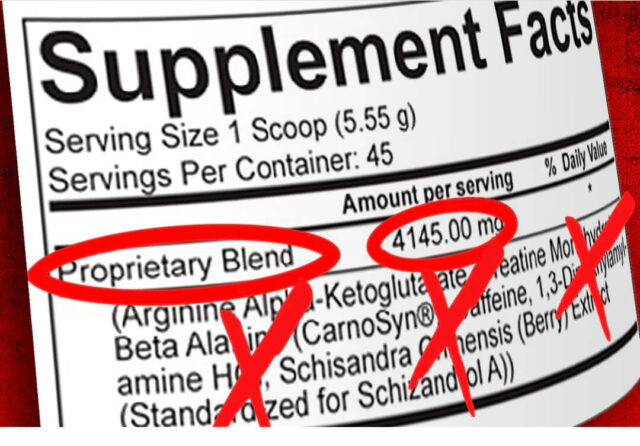
In plain terms, it means you are getting less protein per serving than what you actually believe you are consuming and what is being advertised.
The ingredients list should mainly consist of whole foods and recognised protein sources like whey, pea and brown rice protein. Excessively added sugars, refined flours, and hydrogenated oils are a red flag.
A basic rule of thumb for a healthy protein snack is about 10g of protein for every 100 calories.
Bursting The Bubble
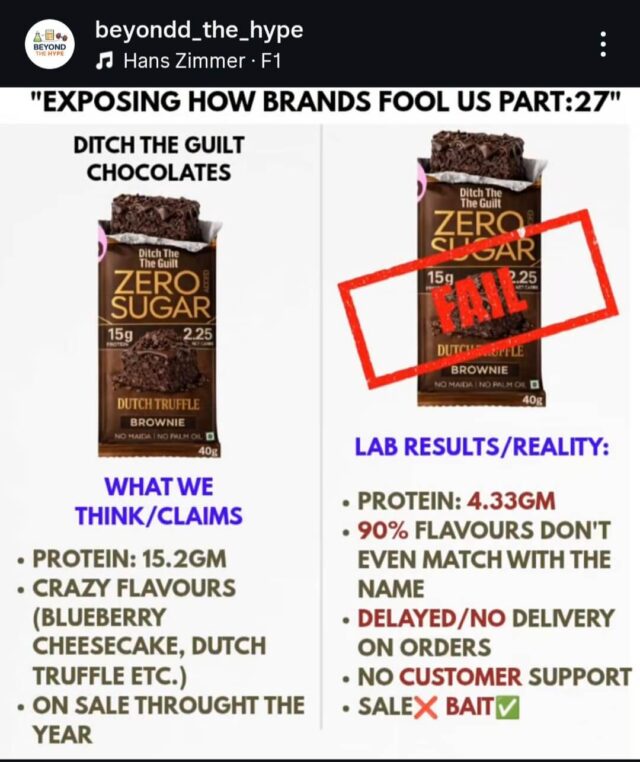
Brands are actively marketing these protein wafers, cookies, and bars as a healthy alternative to junk food. Tall claims of no sugar, no maida, and high protein are mostly unfounded.
If it tastes like junk, maybe it is junk. Companies need to be more transparent.
Instagram pages like “foodpharmer; beyondd_the_hype; deepakthakranfitness,” and “glucose_gal” are notorious for exposing misleading labels and false corporate marketing by brands. These content creators are helping to spread awareness and hold brands accountable.
A breakdown of hidden ingredients in processed snacks has been highlighted in:
Experts Weigh In
A self-funded, peer-reviewed study titled “Citizens Protein Project”, published in the journal Medicine, analysed 36 supplements in the Indian market. Results concluded that 70% of these offered inaccurate protein information, 14% contained harmful fungal aflatoxins, and 8% showed traces of pesticide residue.
Investigative journalist Faye D’Souza decodes the above study in a YouTube video:
Abby Sharp, a registered dietitian and bestselling author of “The Hunger Crushing Combo Method”, reiterates the need for third-party testing. She emphasises that the protein supplements market is poorly regulated and third-party testing allows consumers to make informed decisions.
As brands grow eager to hop onto the protein trend for quicker profits, third-party testing is essential. Third-party testing verifies that a product’s label matches the contents and also screens it for heavy metals and banned products.
The Health Halo Effect
Luke Coutinho, lifestyle guru and specialist in nutritional science, in a post on Instagram, pleads with consumers to be mindful. “Companies are getting richer and the consumers unhealthier as we keep on filling our bodies with packaged products whose ingredients we don’t completely understand.”
India is a protein-deficient nation, but we should stop acting as if we’ve found the elixir of life in a plastic packet. We are obsessed with hitting a number while losing sight of what that number represents.
The Health Halo effect is real. We see the word “protein” and automatically assume it’s good for us, often ignoring the sugars, syrups and stabilisers hiding inside.
Don’t fall for the glossy marketing that is feeding into your insecurities. As Luke Coutinho points out, “your body is a gift”. What you really need might not be found on a shelf but right in your own kitchen.
Images: Google Images
Sources: Firstpost, The New York Times, The Print
Find the blogger: @diptisadh
This post is tagged under: protein, protein bars, protein wafers, protein powders, supplements, health halo, nutrition, protein-rich Indian staples, high-protein snacks, ultra-processed food, proprietary blend, amino spiking, health, food labels, muscle building, fitness, nutrition myths, clean eating
Disclaimer: We do not hold any right, copyright over any of the images used, these have been taken from Google. In case of credits or removal, the owner may kindly mail us.
Other Recommendations: