






























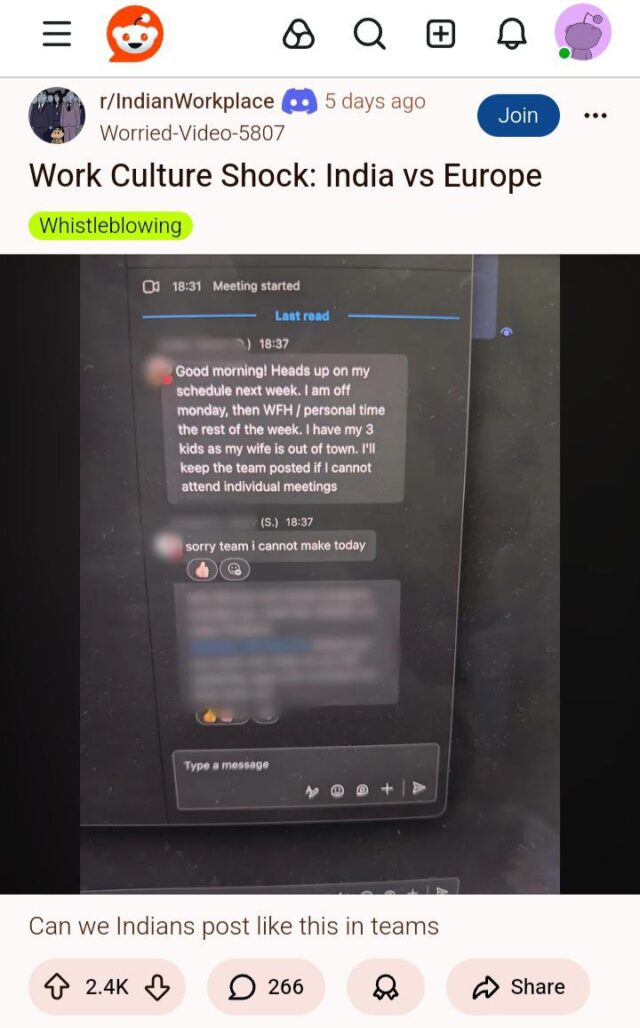
When a Reddit post comparing European and Indian work culture went viral, it wasn’t about salaries or perks; it was about how freely one can say, “I’ll be off next week, kids at home, catch you later!”
The post showed a European employee casually sharing his schedule on Microsoft Teams, citing family reasons. The Indian audience? Half shocked, half envious. The question that followed summed it up perfectly: “Can we Indians post like this in Teams?”
Turns out, it’s not just a funny online moment. It’s a window into two completely different workplace worlds, one where personal time is sacred and another where “availability” is practically a KPI.
Europe’s Culture Vs India’s Culture
In most European countries, workplace transparency isn’t just accepted, it’s expected. Employees can discuss personal schedules without being branded as lazy or “too chill.”
The European Union’s Working Time Directive mandates a maximum 48-hour workweek and at least four weeks of paid annual leave. Germany and the Netherlands even promote “right to disconnect” laws that limit work communication after hours.
Contrast that with India, where a 2023 Microsoft Work Trend Index found that 62% of Indian managers expect employees to be online after work hours, and nearly 47% of Indian employees report feeling “burnt out” weekly.
Sharing personal commitments often feels like walking into a judgment zone, where “I have a family emergency” risks being translated as “not serious about work.”
Labour Laws And The Safety Net Divide
Europe’s labour protections are like thick, well-padded mattresses; India’s, more like yoga mats.
In France, employees have legally protected work hours, paid parental leave, and strict limits on overtime. Nordic countries go even further, offering subsidised childcare and mental health leave, because burnout is treated as a medical condition, not a personality flaw.
Meanwhile, in India, the average paid annual leave is around 15 days, and the average working week stretches up to 48 hours, according to the International Labour Organisation (ILO).
HR experts note that many private firms still track “seat time” more closely than outcomes. As Deloitte’s 2024 India Workplace Report puts it, “Flexibility is a benefit, not a right, and often depends on managerial empathy.”
Work-Life Balance Vs Work-Life Blur
In Europe, work-life balance is not a slogan; it’s a lifestyle metric.
A 2022 OECD Better Life Index ranked countries like Denmark and the Netherlands among the best for work-life balance, with less than 2% of employees working very long hours. Managers are trained to respect personal time; it’s normal to sign off at 5 p.m. and pick up kids without guilt.
In India, however, a 2023 Mercer report found that nearly 80% of employees struggle to disconnect from work, and many feel compelled to respond instantly to after-hours messages.
That “Always Available” culture, combined with poor mental health support, has contributed to rising stress levels. One HR head quipped in an interview, “In India, we call it multitasking. In Europe, they call it burnout.”
Why Context Matters
Europe’s relaxed attitude towards personal scheduling isn’t just policy, it’s cultural DNA.
Transparency is seen as a sign of responsibility, not rebellion. Employees saying they’re unavailable signals honesty, not apathy. As PwC’s Global Workforce Hopes and Fears Survey (2023) noted, “European professionals view time off as essential for productivity, not an indulgence.”
India, on the other hand, runs on a “work equals worth” mindset. Many employees hesitate to disclose personal reasons for fear of being judged or passed over.
A LinkedIn India Workforce Confidence survey revealed that 72% of Indian professionals feel guilty for taking time off. It’s not that Indians don’t want balance; they just don’t want to seem like they do.
Also Read: “Daily Mental Torture, Treated Like Slaves”: Byju’s Employees Unveil The Harsh Work Culture
Laughs, Lessons, And Lowkey Envy
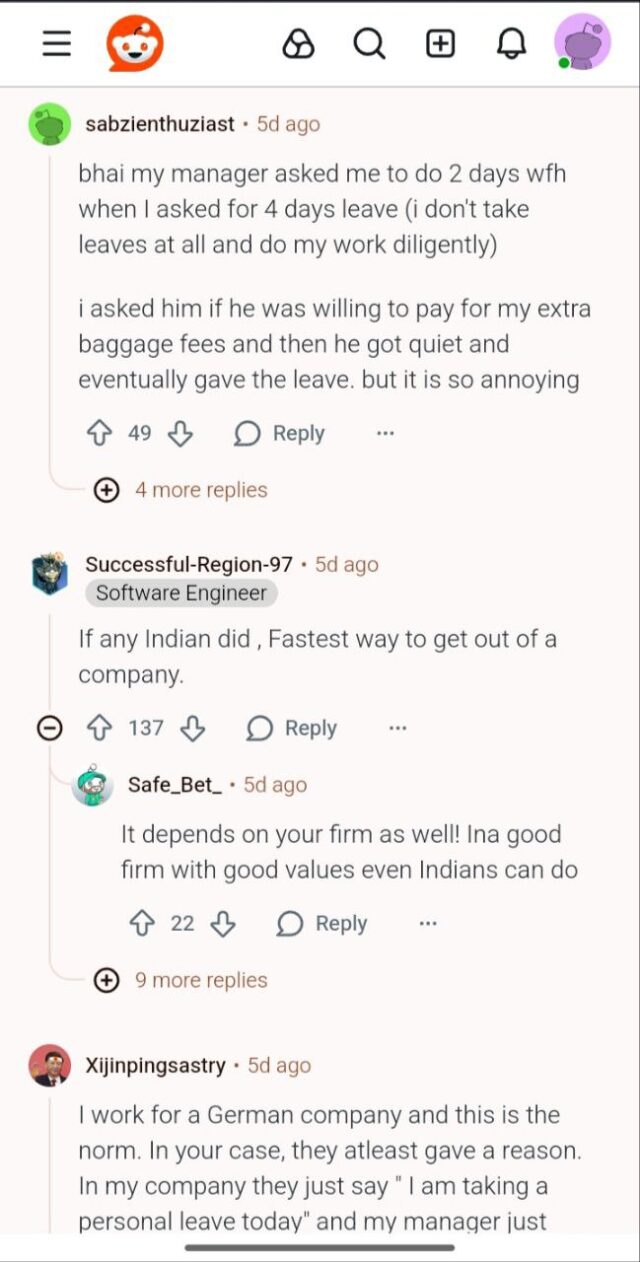
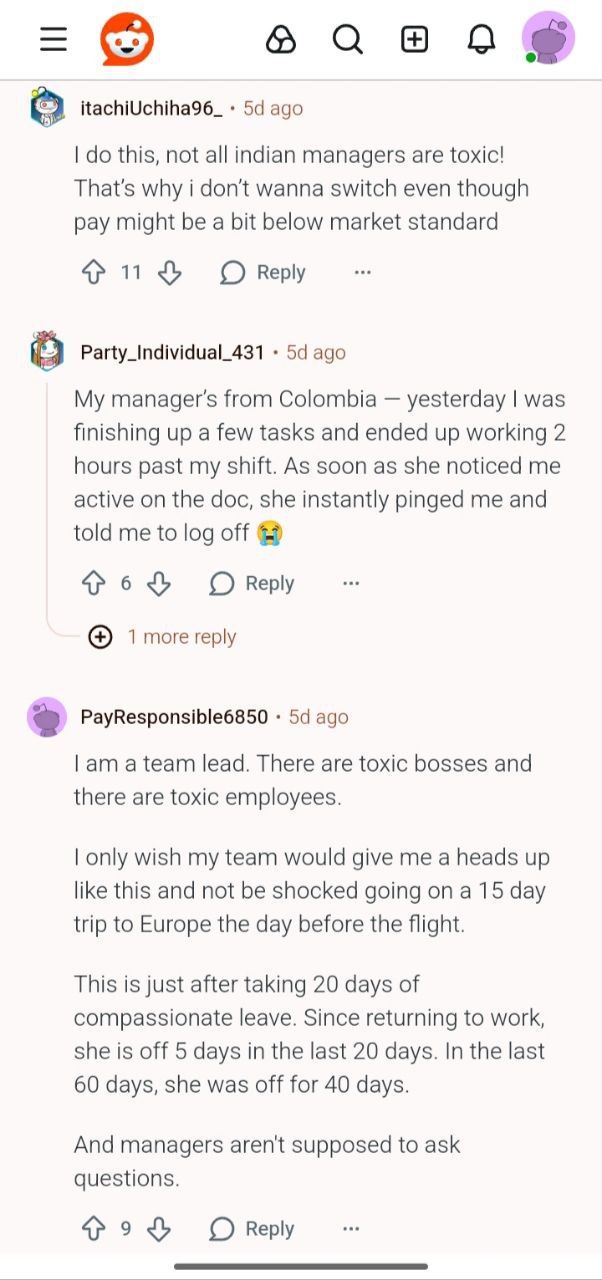
The Reddit post became a digital anthropology study in itself. Indian users flooded the comments, half laughing, half lamenting. “In India, we can. Not in Teams. In dreams,” one wrote.
Another said, “Europeans can say that because their labour laws actually protect employees.” A few realists chimed in with, “Indians would exploit it till everything breaks.”
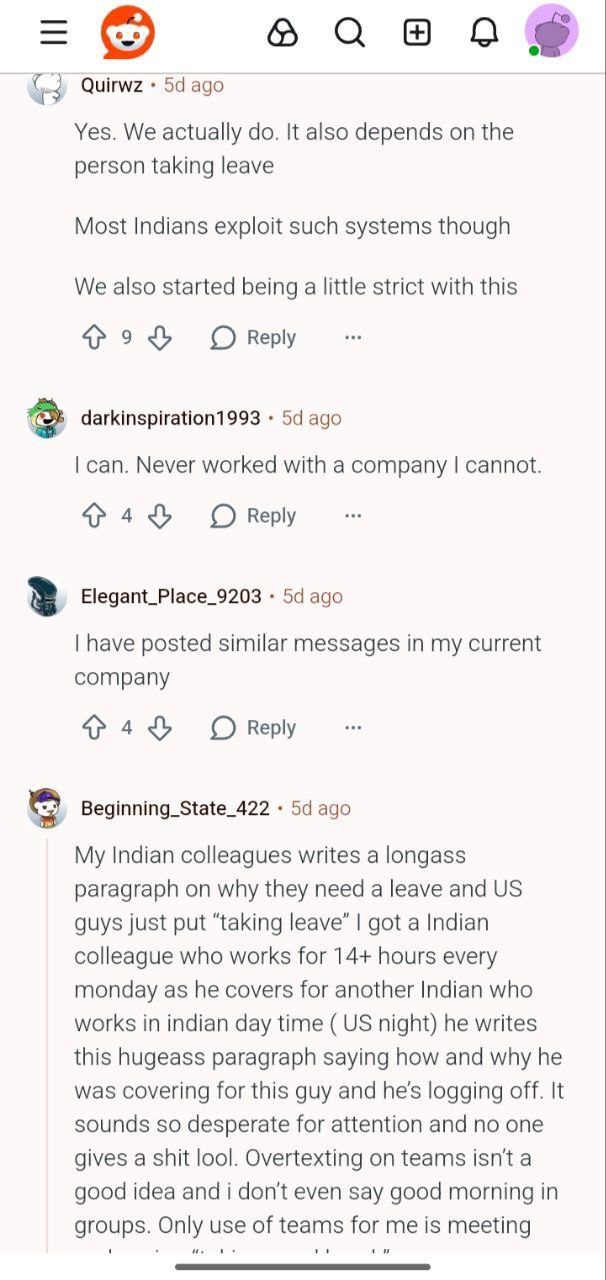
While funny, these comments reveal how self-awareness and frustration coexist. The debate reflects a growing consciousness among young professionals that maybe productivity doesn’t have to come at the cost of peace.
Can India Adapt The European Model?
Experts agree that copy-pasting Europe’s work culture into India won’t work seamlessly. India’s economy is more competitive, hierarchies steeper, and labour protection weaker. But there’s room for reform. HR leaders suggest adopting elements like flexible hours, mental health days, and trust-based management.
As McKinsey’s “Future of Work in Asia” report (2024) notes, “Hybrid flexibility and empathetic leadership are becoming the top drivers of retention.” Indian startups and global firms are already experimenting, and some now allow “no meeting Fridays” or “focus hours.” Change is slow, but it’s visible.
Europe’s openness to personal scheduling may feel aspirational, but every work culture runs on its own logic. What’s a sign of transparency in Amsterdam might be seen as oversharing in Ahmedabad. Still, the viral Reddit post struck a nerve because it hints at a future Indians want, one where honesty at work doesn’t come with consequences.
Maybe someday, posting “Kids home, wife away, working light this week” won’t need courage, just Wi-Fi.
Images: Google Images
Sources: NDTV, The Economic Times, The Indian Express
Find the blogger: Katyayani Joshi
This post is tagged under: work culture india, europe work life balance, indian corporate culture, employee wellbeing, work from home india, burnout culture, microsoft teams india, reddit viral post, european work laws, indian work ethics, office humour india, hr insights, global workplace trends, right to disconnect, employee satisfaction, indian startups, mental health at work, hybrid work culture, workplace transparency, cross cultural differences
Disclaimer: We do not hold any right, copyright over any of the images used; these have been taken from Google. In case of credits or removal, the owner may kindly email us.
Other Recommendations:
SEBI Employees Call Out ‘Toxic,’ Shouting Work Culture Under Madhabi Puri Buch