






















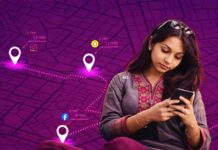







The Indian youth has been having a really rough go for some time now. From rising unemployment to social injustices, prejudices for every category of person, political unhappiness, the cost of living increasing by the day, relentless competition, and more, these factors make daily life difficult.
Now, even social media, which was the one place where people could go to escape all their troubles and spend some time destressing, is becoming a problem in its own. With AI content, paid media, bots, ragebait and clickbait content flooding it.
Furthermore, overuse of social media has also started to affect our moods, body and brain.
According to recent reports, the term Popcorn Brain Syndrome has gained traction and is becoming prevalent among Indian teenagers and young adults.
This term refers to a restless, overstimulated mental state triggered by incessant screen use and rapid digital inputs, and it is increasingly being reported among India’s young generation.
As students and early-career professionals grapple with mounting academic or job pressures, the constant ping of notifications, endless short-form videos and multitasking across devices erodes their ability to focus, relax or simply be still.
What Is Popcorn Brain Syndrome?
The term “popcorn brain” was coined by David M Levy, a computer scientist at the University of Washington, to describe how our minds become primed for rapid digital stimulation, ‘like popcorn kernels popping,’ and struggle when faced with slower, quieter activities.
Dr Srikanth Srinivasan, chief medical director at Niyama Digital Healthcare speaking with The Indian Express in a 2024 report explained, “Coined by the University of Washington researcher David Levy in 2011, the term ‘popcorn brain’ refers to a condition characterised by a lack of attention and focus, which makes a person’s thoughts jump from one thing to another — similar to the popping of popcorn kernels.”
Essentially, it’s not a formal medical diagnosis but a descriptive label for what happens when constant screen use rewires attention.
According to Dr Ram Kumar, a Delhi-based mental-health specialist quoted in Moneycontrol, “If you are exposed to constant stimuli for long periods of time, this gradual reduction in the size of your brain may make it much harder to concentrate or control your emotions, and may increase anxiety.”
From a neurological perspective, experts warn that each notification, scroll or switch between screens triggers a small dopamine hit.
Over time, that high-frequency reward loop alters brain pathways. Dr PN Renjen, senior consultant of neurology at Indraprastha Apollo Hospitals, explained, “Every ping acts like a mini reward… With prolonged exposure, the brain’s reward circuitry becomes desensitised, meaning it demands even more stimulation for the same sense of satisfaction.”
Dr Jaya Sukul, Clinical Psychologist and Founder of Headspace Healing, Noida, also spoke with HT Lifestyle about this syndrome.
She explained, “It’s the sensation of your neural circuits being overstimulated by constant digital inputs. You may find yourself jumping quickly from one thing to the next, struggling to focus, and feeling restless offline because life seems slower than your online feed.”
She further added, “Your brain craves novelty, and devices exploit this craving, keeping you in a state of hyper-alertness. Over time, this can drain your energy, increase stress, reduce focus, and even affect sleep.”
Read More: At What Age Are We The Happiest? Research Finds
She did clarify that popcorn brain should not be confused with internet addiction, as the former doesn’t “ruin relationships or career performance.”
According to Dr Sukul, the symptoms to look out for with this syndrome include:
- “Irritability and anxiety
- Trouble sleeping
- Difficulty focusing or paying attention
- Feeling hyper-vigilant or stressed
- Life offline feels dull or uninteresting”
She suggests that to get out of this, one can select parts of one’s house where electronic devices are not allowed, take screen breaks, avoid spending endless time on devices and practice short periods of focused work with breaks in between to better oneself.
This is not the first time this phrase has popped up (pun not intended). With the growing use of social media and digital space taking up a bigger and bigger portion of our lives, experts and researchers have been bringing it up to offer words of caution.
Kashika Sachdeva, a psychotherapist, was quoted by The Indian Express explaining how the first Covid-19 lockdown in India was a big reason for her feeling distracted.
She said, “The boom of Instagram reels, TikTok, online work portals, and meeting apps, helped me feel less isolated, but at the same time, I struggled sitting just by myself, writing, cooking or doing any activity that required me to live in the moment and focus on what was right in front of me.”
Dr Rimpa Sarkar, director at Sentier Mind, in a report said, “Dopamine, a neurotransmitter, plays a crucial role in feelings of pleasure, motivation, attention and happiness. It also contributes to the brain’s reward system, reinforcing certain behaviours that lead to rewards.
Social media acts as a quick-fix drug — providing moments of euphoria in a short period. Notifications from social media platforms offer instant gratification, reinforcing the brain’s tendency to seek pleasure. This constant stimulation conditions our brains to adapt to the rapid and continuous flow of information.”
Dr Kersi Chavda, a consultant psychiatrist at P.D. Hinduja Hospital and Medical Research Centre, Mahim, adds that this then “makes it difficult to maintain focus on any single task for an extended duration.”
Dr Srinivasan added that, “Diminished attention, as seen in a ‘popcorn brain’, hinders learning and memory, as neural pathways across various brain regions are altered.
Excessive social media usage, particularly at night, which compromises sleep quality, exacerbates health issues — making individuals more susceptible to stress, anxiety and depression. It also heightens feelings of loneliness, diminishes social connectedness and reduces emotional resilience.”
With screen time skyrocketing and offline downtime shrinking, the condition raises questions about the long-term impact on attention spans, mental well-being and how young Indians engage with life offline.
Image Credits: Google Images
Sources: Firstpost, Hindustan Times, Times of India
Find the blogger: @chirali_08
This post is tagged under: Indian Youth, Indian Youth issues, Indian Youth social media, social media, Popcorn Brain Syndrome, Popcorn Brain Syndrome meaning, Popcorn Brain Syndrome indian youth, social media effects, social media negative
Disclaimer: We do not hold any rights or copyright over any of the images used; these have been taken from Google. In case of credits or removal, the owner may kindly email us.
Other Recommendations:
Little Treat Culture: Why Gen Z’s Favourite Coping Mechanism Might Be Backfiring