



























Trekking is one of the simplest adventures: boots, a pack, a route, and the will to walk. But some trails move beyond recreation.
Danger on the trail usually comes from four main sources: altitude, terrain, weather, and remoteness. Altitude changes the rules of the body; thin air makes breathing harder, reduces physical performance, and can trigger acute mountain sickness.
Terrain covers steep slopes, loose rock, narrow ledges, and hidden crevasses; these features turn ordinary mistakes into life-threatening events. Weather can flip a calm day into a storm in hours, bringing cold, wind, whiteouts, and sudden floods.
Remoteness compounds every problem by delaying help, limiting resources, and increasing the difficulty of rescue.
When a route is described as dangerous, there is a predictable set of problems to prepare for, and a predictable set of measures that reduce those problems.
Physical conditioning, thoughtful acclimatisation, proper clothing and equipment, practised navigation, and emergency planning are not optional add-ons; they are basic hygiene for high-risk treks.
Equally important is attitude: humility, patience, and the willingness to turn back are often the smartest, most life-preserving choices a trekker can make.
The popularity of risky treks says something important about modern adventure culture. Many people are drawn to difficult routes for obvious reasons: dramatic scenery, a story to tell, or a personal test of endurance. But those motives must be balanced against responsibility.
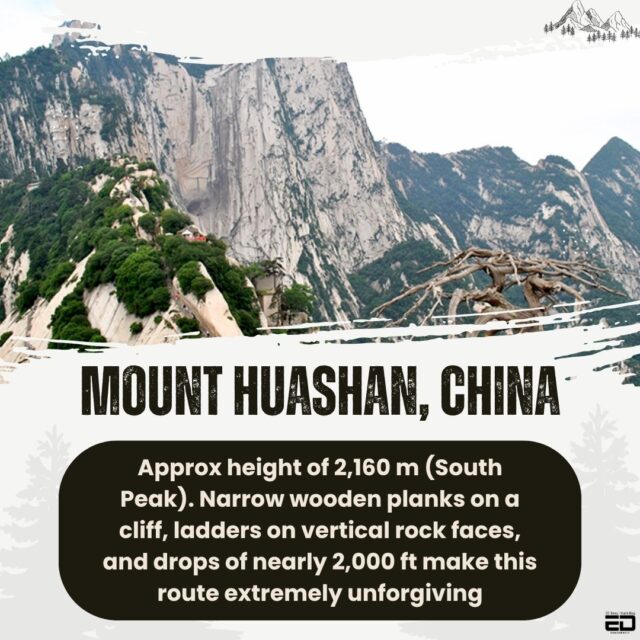
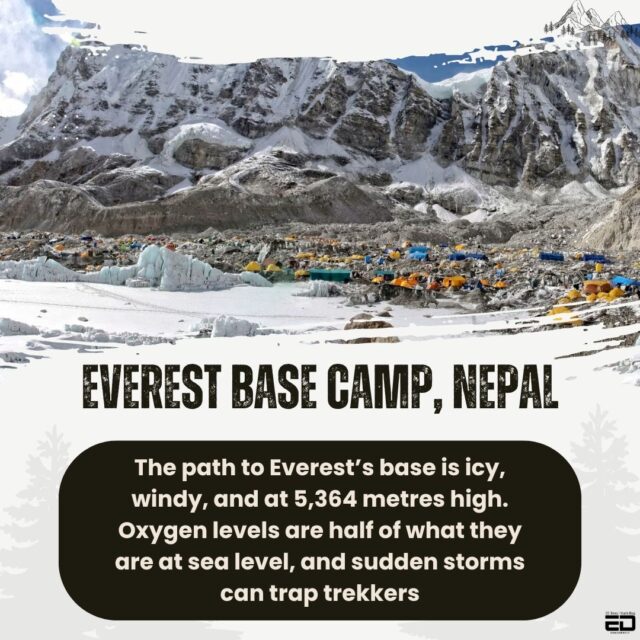
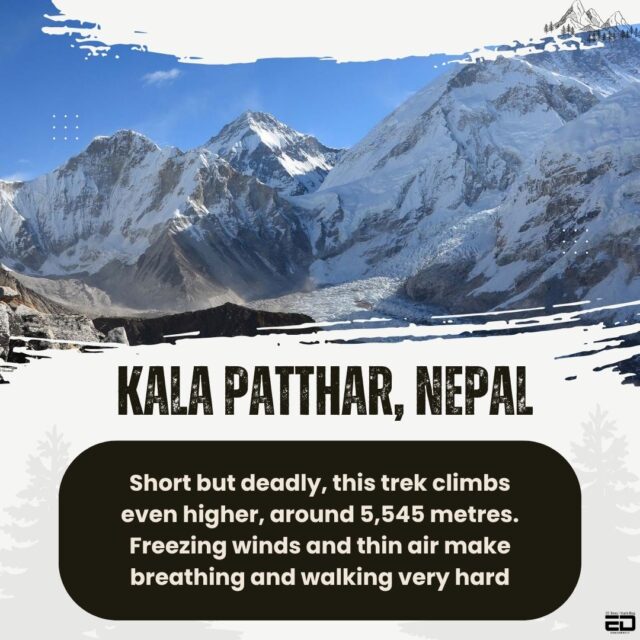
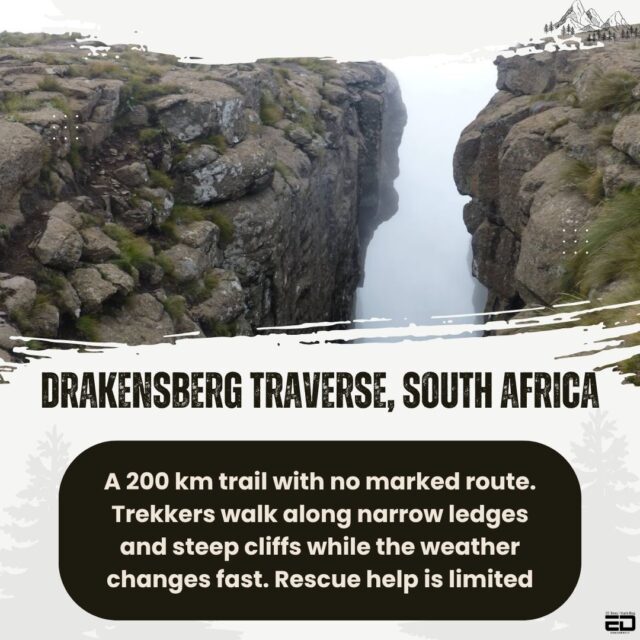
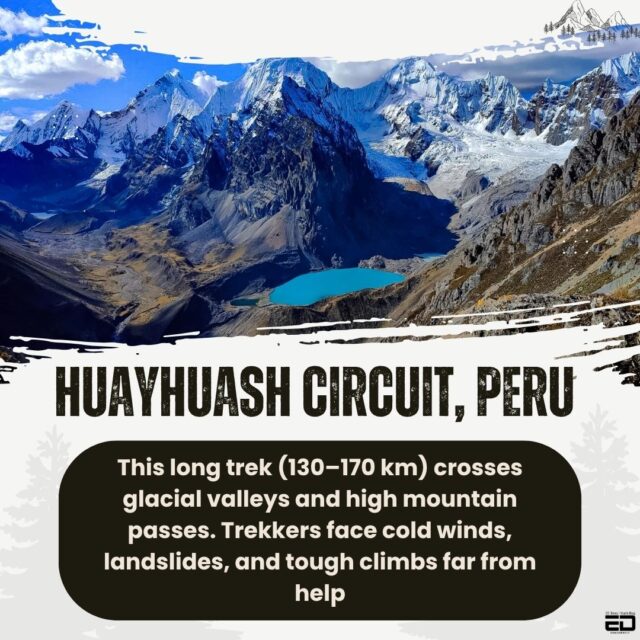
Listing dangerous treks matters only if it changes behaviour. Here are the 7 most dangerous treks in the world.
Read More: Breakfast Babble: How A Single Trip To The Mountains Can Take Away My Stress
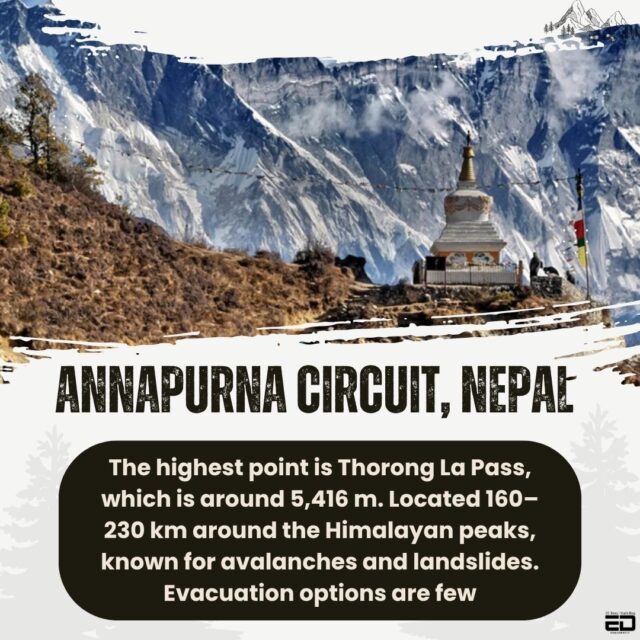
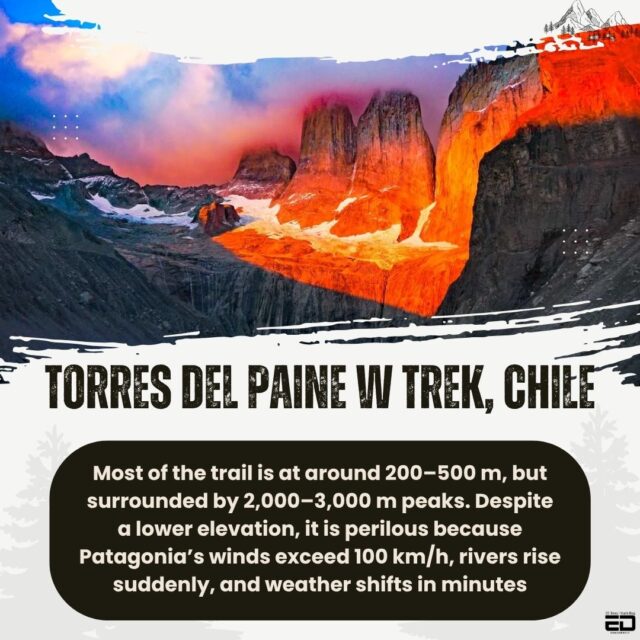
A compact checklist, fitness training, staged acclimatisation, layered clothing, reliable navigation tools (and the skill to use them), basic medical kits, and a clear evacuation plan cover most preventable risks.
Travel with experienced partners or guides when possible, consult local sources for seasonal hazards, and always carry a way to call for help. Insurance, realistic timing, and conservative decision-making are part of a responsible plan, not signs of weakness.
Preparation also means planning your exit: know how to turn back, where to find help, and when to choose safety over pride. It means carrying basic medical supplies and a reliable shelter.
Communities that live near these trails often have knowledge that maps and guidebooks omit; listen to them. Above all, accept that mountains demand more than you expect; this humility saves lives.
Images: Google Images
Sources: The Indian Express, The Times of India, Hindustan Times
Find the blogger: Katyayani Joshi
This post is tagged under: trekking, dangerous treks, adventure travel, mountain safety, high altitude, hiking safety, trek preparation, outdoor gear, acclimatisation, mountain rescue, wilderness survival, responsible travel, eco travel, extreme trekking, Himalayan treks, Andean treks, Patagonia trekking, Drakensberg trek, Huayhuash, Annapurna, Everest Base Camp, Mount Huashan, Kala Patthar, Torres del Paine
Disclaimer: We do not hold any right, copyright over any of the images used; these have been taken from Google. In case of credits or removal, the owner may kindly email us.