


























Do you fantasise about a spontaneous trip but don’t want the stress of a visa application? Visa-free countries are the way to go. No matter if you’re looking to escape for a few days away somewhere nearby or an extended trip somewhere far and exotic, there are a multitude of countries that accept travellers who don’t need a visa.
Consider a few things before you pack your bags and head to the airport. From understanding entry requirements to securing travel insurance for unexpected situations, knowing what to expect can make your visa-free journey stress-free. Let’s look at what you need to know before you jet off on your hassle-free travel.
Understanding Visa-Free Travel: What Does It Really Mean?
Visa-free entry for individuals allows entry into a foreign country without first applying for a visa by simply having a valid passport to enter and exit the country. Visa-free travel is generally allowed from one country to another country under a bilateral agreement to enhance tourism, business, and diplomatic relations.
The travel duration will typically be limited to a certain duration imposed by your destination’s policy, generally up to 90 days (or shorter). Visa-free travel provides more options for mobility, spontaneity, and flexibility to travel internationally and is less restricted for travel and mobility, given that this potential destination is passport-eligible.
Essential Passport Requirements for Visa-Free Destinations
Travelling to visa-free locations sounds convenient, but following certain passport requirements is essential to ensure your travel to the country will not be difficult. Here’s a breakdown of the key requirements:
Passport Validity
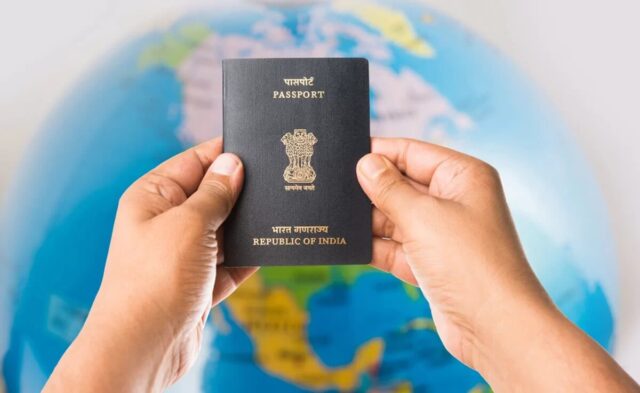
Most visa-free countries for Indians require your passport to be valid for at least six months before arrival. This has become increasingly enforced to try and deter travellers from staying longer or, for some reason, being unable to return home. Always check the requirements for your destination, as different destinations have slightly different rules.
Blank Visa Pages
Many countries require at least one or two blank visa pages in your passport. Not having enough blank pages could result in being denied boarding or allowed to enter, even if you have met all other regulations. Frequent travellers should monitor how many blank pages they have left in their passports and renew them ahead of time if needed.
Passport Condition and Authenticity
Your passport must be in good condition; all information must be easy to read without major damage or changes. If your passport is damaged, torn or tampered with, you could be denied entry, even if you are visa-free. Check your passport before travelling, and if you notice any issues that could raise concerns at immigration, just replace it.
Health and Safety Considerations Before You Go
Planning for health and safety is integral to the travel process before you visit any visa-free destination. Understanding the health and safety requirements and ensuring you meet those requirements can help ensure your trip is risk-free and safeguarded against unexpected risks.
Vaccination and Health Requirements
Some countries have entry requirements that require vaccination. When considering your destination’s health requirements, ensure you are familiar with the health-related regulations in place so that you have any necessary health certificates. This will help you stay up-to-date on your journey.
Buy Comprehensive Travel Insurance
International travel insurance is recommended for visa-free destinations, although it is not always required. Travel insurance provides cover in the event of medical emergencies, trip cancellations, and lost baggage. It also helps give you peace of mind during your travels.
Pack all Required Health Items
You should pack any prescription medications, a first-aid kit, and copies of your prescriptions. Take enough medications for your entire trip, since some medicines may not be available in another country. When travelling with medication, always carry it in its original prescription bottles to help avoid any issues with customs.
Electronic Travel Authorisations (ETAs) and eVisas: Are They Necessary?
Yes, ETAs and eVisas are often required, even for travellers heading to visa-free destinations, depending on where and which passport you hold. Many visa-exempt countries will require travellers to obtain an ETA – digital pre-approval – before boarding their flight, as seen in Canada, Australia, and the UK.
An ETA is not a visa but a mandatory pre-screening that typically applies to short stays and for tourism or transit purposes, and the process is simple and online. Contrary to ETAs, eVisas generally apply to longer-term stays or traveller classifications where the application is more comprehensive and may require supporting documents.
Always check your destination for what’s needed, as failing to get the right type of authorisation can result in denied boarding or entry.
Common Mistakes Travellers Make in Visa-Free Travel
Visa-free travel can be convenient, but many travellers may forget some of the requirements, which can lead to added inconvenience. Knowing about common mistakes can help smooth the journey from the beginning. The major mistakes are:
- Ignoring Return Ticket Requirements: Many visa-free countries will demand proof of a confirmed return to ensure that you don’t overstay the amount of time you’re permitted. They may deny you entry at the border if you don’t show the ticket.
- Overlooking Local Laws and Entry Rules: Many wrongly assume that visa-free entry gives them unlimited access. Every country has their own set of entry conditions and local laws. If overlooked, it could put you in a position to face fines.
- Misunderstanding Duration Limits: Many travellers wrongly believe they can stay indefinitely in visa-free countries. In fact, many visa-free countries have limits on time (30, 60, 90 days), and if you overstay, you are open to penalties.
- Neglecting Travel Insurance: Often, travellers will resist purchasing travel insurance. You should always know that medical emergencies can happen at any time. Valid travel insurance is vital for medical coverage.
- Not Checking Passport Validity: Many countries will not let you enter without at least six months’ validity left on your passport. Always verify your passport’s expiration date before your travel date to avoid last-minute issues.
Travelling visa-free is the best of both worlds regarding freedom and convenience, but that doesn’t mean travelling doesn’t take preparation. Though you may not have to deal with complete visa processing, planning is just as crucial due to local regulations, health restrictions, and travel insurance considerations to travel without the hassle.
Being informed and taking care of things up front allows you to travel to your destination without fearing surprises.
Read more