





























It is said that history is written by the victors. And that surely seems to be the case if we take into consideration the recent controversy with actor Margot Robbie, and a piece of jewellery she wore at the premiere of her new movie, ‘Wuthering Heights’.
The necklace that Robbie wore, called the Taj Mahal diamond necklace, estimated at roughly Rs 74 crore (~$8.8 million), became the focal point of global debate.
Most of the Western media call this the Elizabeth Taylor Cartier necklace; however, this jewel’s layered past encompasses Mughal royalty, India’s colonial past, and the questionable racism of luxury houses like Cartier in claiming something ‘acquired’ from another country as theirs.
What Is The Controversy Of Margot Robbie’s Necklace?
It all started when, on January 28, 2026, Wednesday, at the Los Angeles world premiere of Wuthering Heights, the film’s leading actress, Margot Robbie, stepped onto the red carpet wearing a stunning heart-shaped Taj Mahal diamond necklace, mounted on a gold and ruby Cartier chain.
The necklace instantly caught the eye of many, who became further interested after learning its history.

However, the controversy started when most of the Western media houses claimed it to be the Elizabeth Taylor necklace or a Cartier necklace, completely dismissing its true origins, which were from India, particularly the Mughal era.
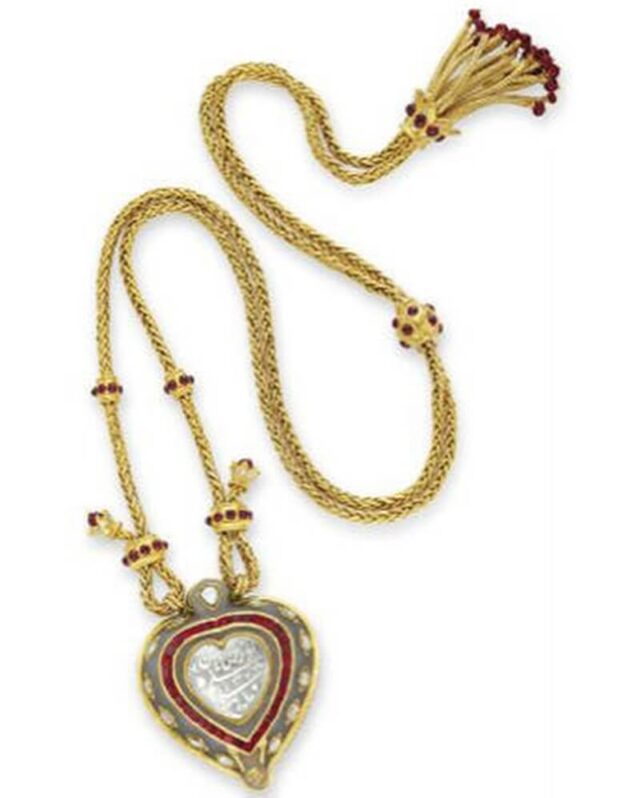
Many people online did not like the erasure of the true origins of the necklace and its Indian history, and being given a Western name instead.
Read More: After Prada, Dior Uses Indian Textile Art Mukaish Without Acknowledgement In Rs 1.7 Cr Jacket
The Origins From India To Landing In Foreign Hands
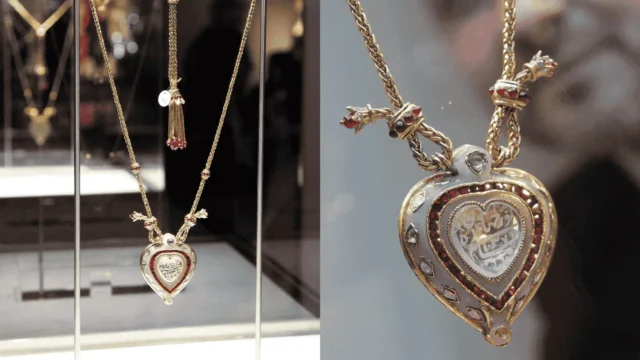
The main attraction of the necklace is the huge heart-shaped table-cut diamond, engraved and inlaid in a gold casing, surrounded by small red gems and smaller diamonds as well.
The pendant goes back almost four centuries, to the Mughal era in India, when Mughal emperor Jahangir is said to have gotten this made for his wife, Empress Nur Jahan.
The diamond, a symbol of love and devotion, has a Persian inscription saying “Love is Everlasting” along with the words “Nur Jahan Baygum-e Padshah, 23, and 1037.”
The name Nur Jahan identifies the lady of the Padshah with the 23 standing for the 23rd year of Jahangir’s reign, and 1037 standing for that particular year in the Islamic calendar, which would land around 1627–28 AD.
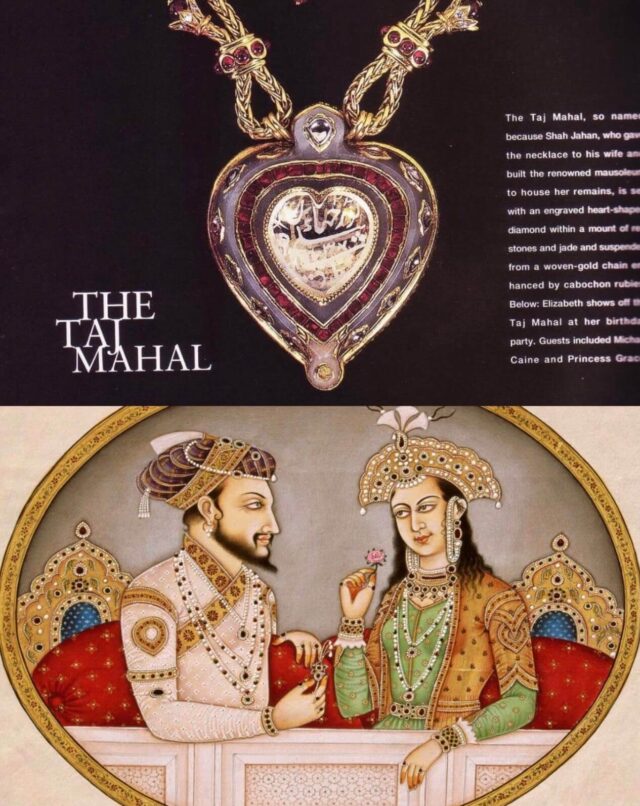
According to Christie’s, an auction house, while Jahangir is said to have commissioned the inscription himself, it is unclear if Nur Jahan ever wore the necklace.
Later on, the necklace is said to have been passed down to Jahangir’s son, Shah Jahan, who gave it to his own wife, Mumtaz-i-Mahal, the same woman for whom he got the Taj Mahal, one of the wonders of the world, built after she died.
This is also what eventually led to the necklace being called the Taj Mahal Diamond.
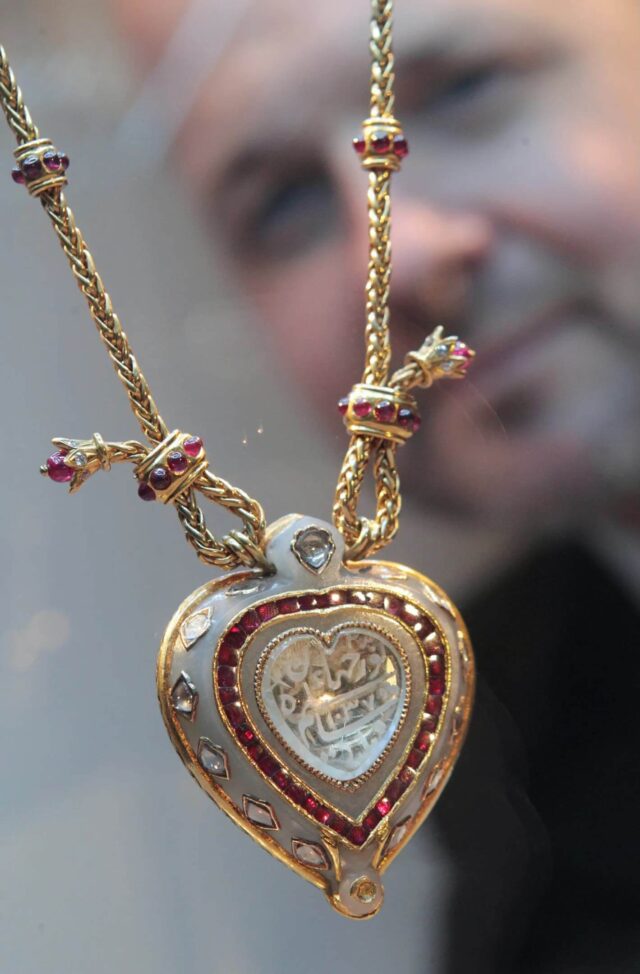
According to reports, the pendant originally had a traditional Indian silk cord, which Cartier’s in-house designer Alfred Durante later changed to a gold and ruby chain, studded with rondelles and tassels once it acquired the diamond.
Reports claim that Cartier is said to have gotten the diamond sometime in 1971; however, the exact details of how it got into their hands have never been made clear.
Considering that India was still under British rule at the time, one can make some pretty clear assumptions, though, on how the transfer might have taken place.
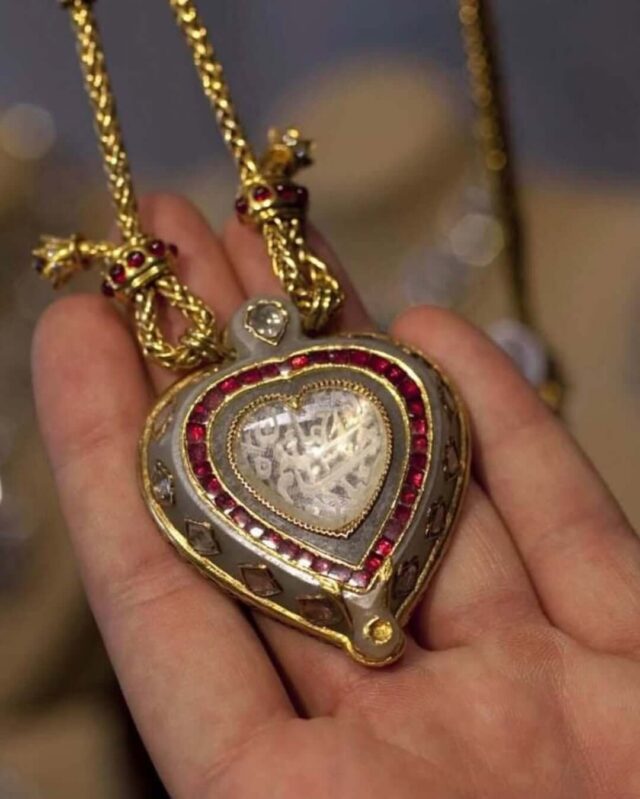
The necklace would soon change hands once more when Cartier president Michael Thomas, in 1972, showed it to Hollywood actor Richard Burton and his wife, Elizabeth Taylor, at the International Hotel in Kennedy Airport.
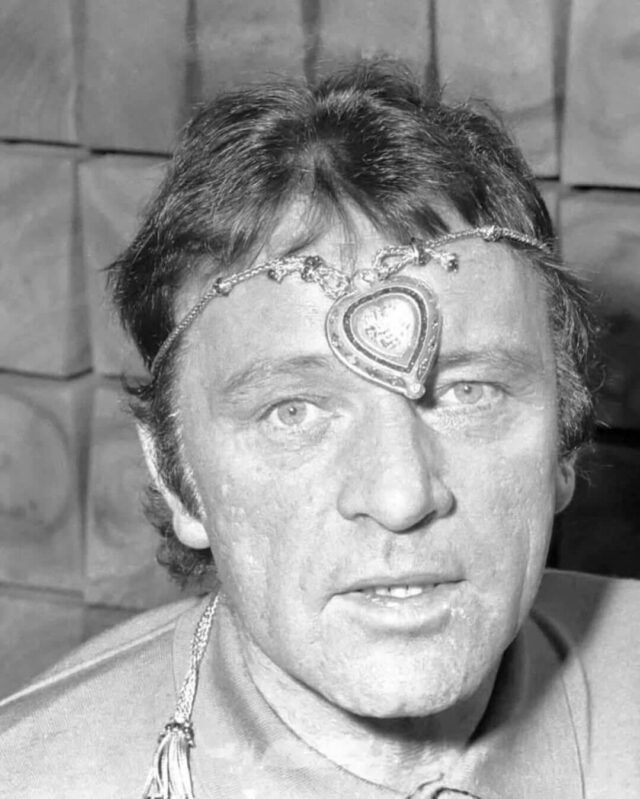
Apparently, Burton was looking for gift ideas for Valentine’s Day and Taylor’s birthday and took an instant liking to the necklace. He soon purchased the necklace and presented it to Taylor at her 40th birthday celebrations, as a symbol of his own love.
Elizabeth Taylor and Richard Burton were both seen wearing and showing off the necklace.
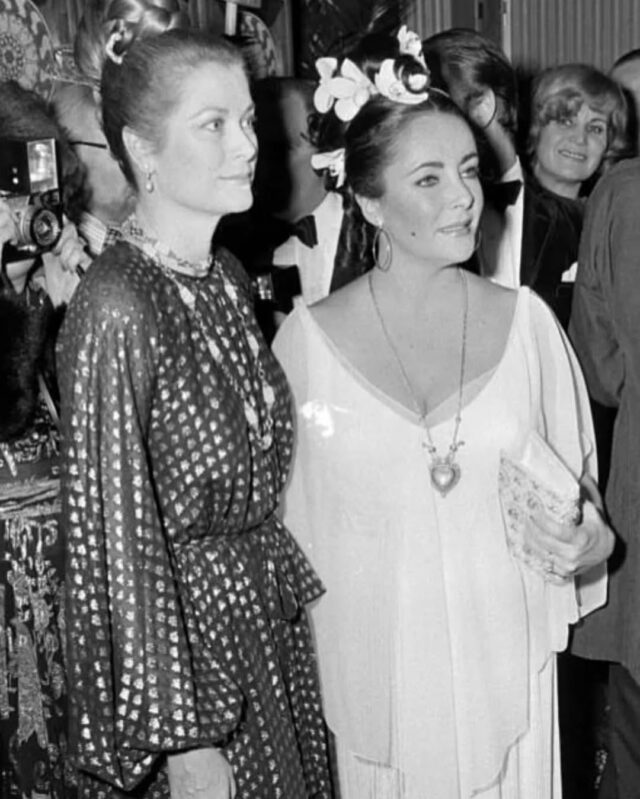
The necklace was then owned by Elizabeth Taylor and added to her estate upon her death. In December 2011, this historic piece, widely misnamed in the press as “Elizabeth Taylor’s Taj Mahal necklace”, was sold at Christie’s for $8.8 million, setting a record price at the time for a piece with Indian origins.
Cartier, or a related private collector, subsequently regained the work, which now circulates among high-end loans for exhibitions, red-carpet events and museum displays.
In recent years, Cartier has loaned notable pieces — including the Taj Mahal diamond and other historically resonant Indian jewels — to high-profile figures for events like the Met Gala and film premieres. These loans, however, have sometimes sparked accusations that the brand prioritises Western celebrities over cultural restitution.
Diljit Dosanjh’s debut at last year’s Met Gala is a pretty recent event, where Cartier was previously called out for refusing to loan the iconic Patiala Necklace made by the French jewellery house for Maharaja Bhupinder Singh of Patiala in 1925.
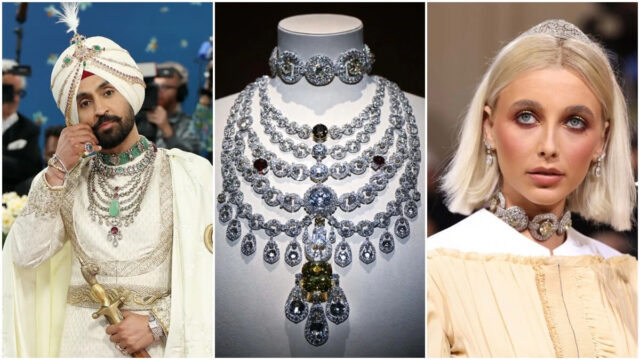
According to reports, Diljit Dosanjh’s stylist, Abhilasha Devnani, had reached out to Cartier to borrow the necklace; however, as per The New York Times, the brand denied the request, stating that the neckpiece “sits sealed in a museum” and is thus unavailable for loan.
The hypocrisy of the jewellery house was instantly called out, though, when several netizens brought up that these same rules did not apply to American influencer Emma Chamberlain, who had worn what is believed to be part of the same necklace for the 2022 Met Gala. Check out the whole incident in the link below.
Image Credits: Google Images
Sources: Vogue, Hindustan Times, Pedestrian
Find the blogger: @chirali_08
This post is tagged under: Margot Robbie, Margot Robbie necklace, elizabeth taylor necklace, cartier, cartier racism, colonisation, india colonisation, british india history, mughal, mughal history, taj mahal necklace, Margot Robbie necklace controversy
Disclaimer: We do not own any rights or copyrights to the images used; these images have been sourced from Google. If you require credits or wish to request removal, please contact us via email.
Other Recommendations:
Hypocrisy: Cartier Denies Diljit Dosanjh But Lets American Influencer Wear Indian Maharaja’s Legacy?