




























Over the past few years, a series of viral WhatsApp chats and online message threads have captured widespread attention, not because they’re amusing office memes, but because they reflect a larger cultural shift in how Gen Z approaches work, authority, and basic dignity at employment.
In cases circulating on X and Reddit, and covered by news outlets, young employees have asked for respect for leave during personal loss, refused to accept toxic demands for overtime, and even upended traditional formalities like addressing seniors with rigid reverence rather than mutual respect.
These snippets of real conversations show that Gen Z workers are no longer willing to simply accept hierarchical, grind-at-all-costs workplace cultures. They demand humane working conditions, empathy, and clarity about rights and boundaries.
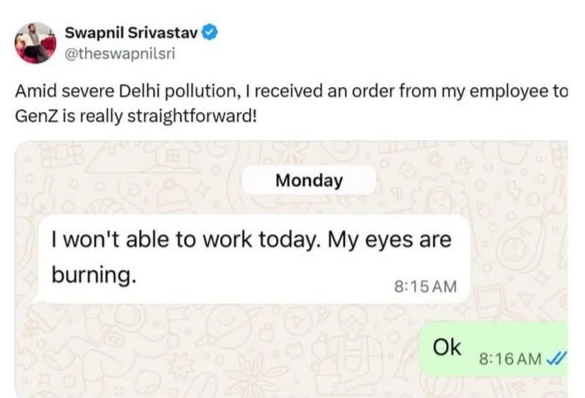
At the same time, these encounters reveal a tension between generational expectations and institutional norms. While older systems often equated compliance with professionalism, younger workers increasingly view it as passive acceptance of exploitation and emotional insensitivity.
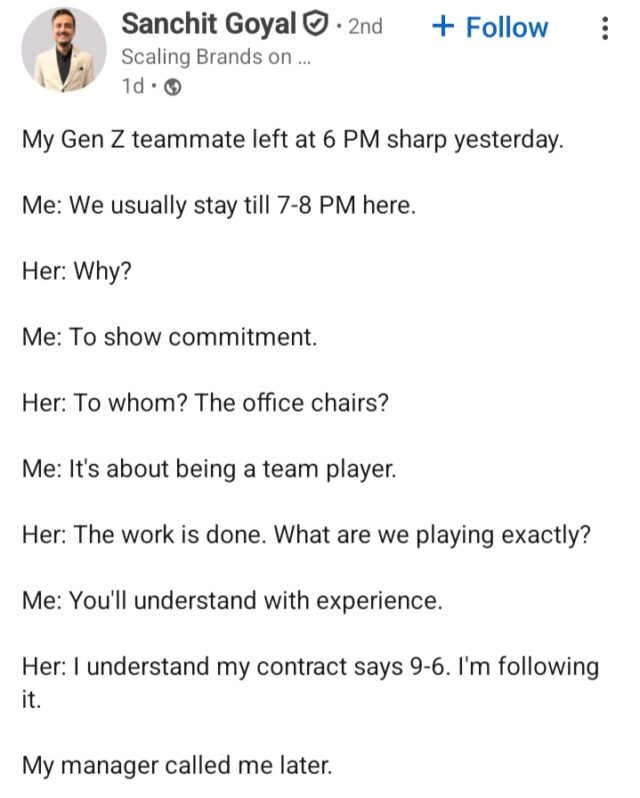
When “Work First” Clashes With Human Boundaries
One of the most high-profile cases involved a viral WhatsApp exchange where a young employee informed his manager that his uncle had died and he needed the day off.
Instead of sympathy, the manager demanded that he attend a client meeting before leaving and later threatened disciplinary action and unpaid leave if he didn’t comply. The boss even demanded a death certificate for future leave requests, a response widely labelled toxic and emotionally insensitive.
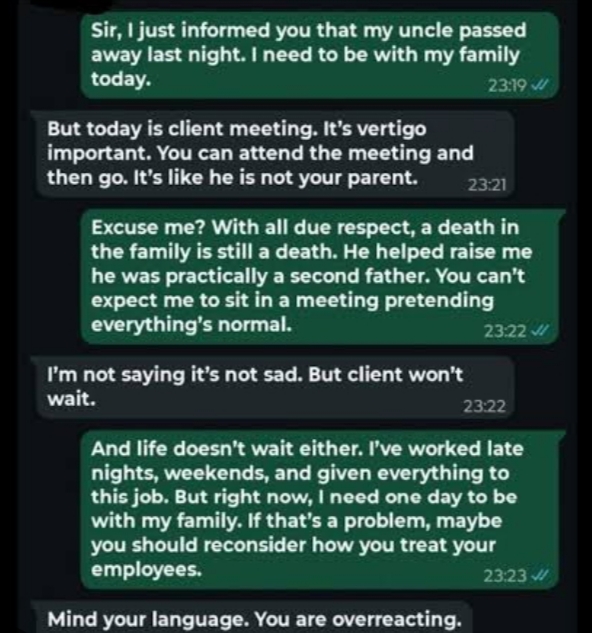
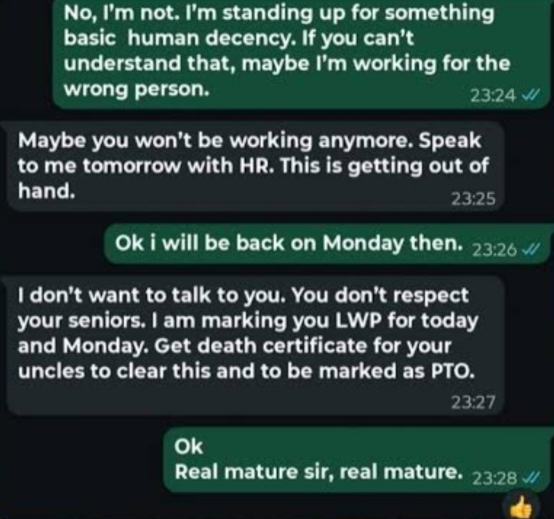
This conversation struck a nerve because it wasn’t just about time off; it was about respect for personal life and emotional well-being. Gen Z employees and observers praised the worker for standing his ground, arguing that workplaces should never force people to choose between grieving and professional duties.
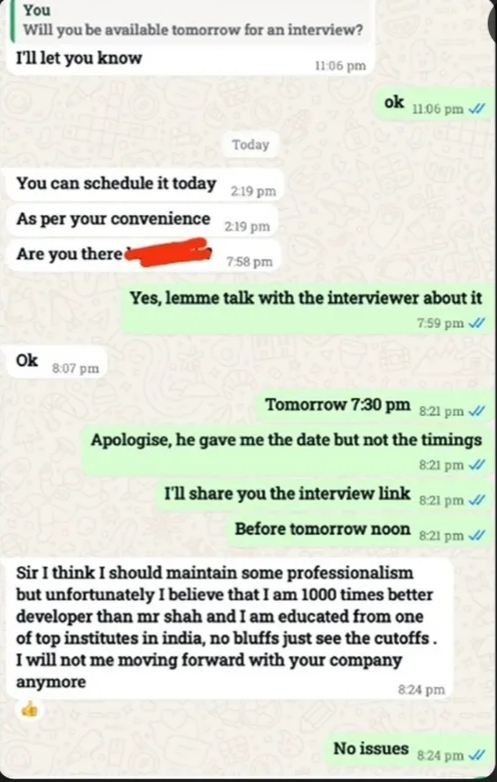
This speaks to a broader rejection of the old idea that “work always comes first,” especially when it tramples on basic humanity and dignity.
Rejecting Toxic Hustle Culture And Overwork
Another pattern emerging from viral discussions is Gen Z’s resistance to glorified overwork. In widely shared videos and Reddit posts, young employees have publicly refused to stay late without compensation or reason, even stating, “I don’t care if I get fired,” rather than sacrifice personal life for unpaid overtime.
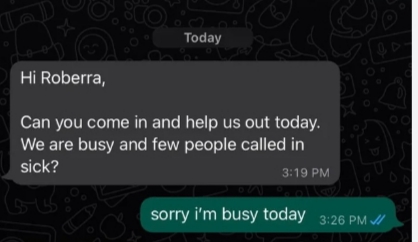
In one viral account, a young professional refused to stay beyond working hours and challenged the notion that extra hours were a badge of dedication.
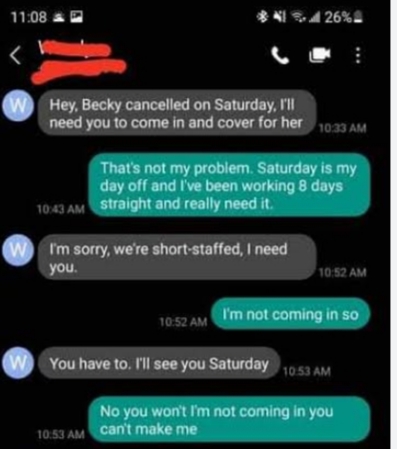
These incidents reveal a generational shift: whereas older norms often equated long hours with loyalty, Gen Z sees work-life balance as a non-negotiable minimum standard.
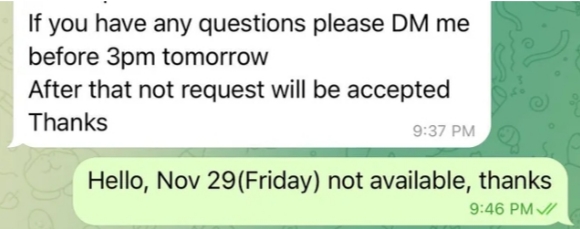
To them, pushing people to burn out is not a motivational tool; it’s exploitation. This attitude cuts to the core of changing workplace values and points toward a culture that prioritises results and well-being over outdated rites of passage, such as unpaid overtime.
Redefining Professional Tone
Gen Z’s communication style itself has become part of these debates. Viral workplace screenshots show young workers using casual salutations in team chats, even addressing colleagues as “bro”, prompting discussions about modern professionalism.
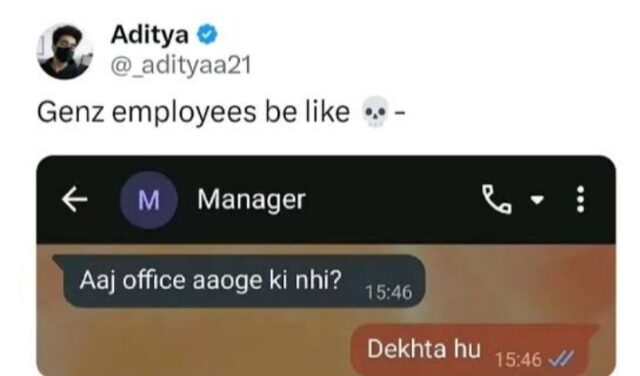
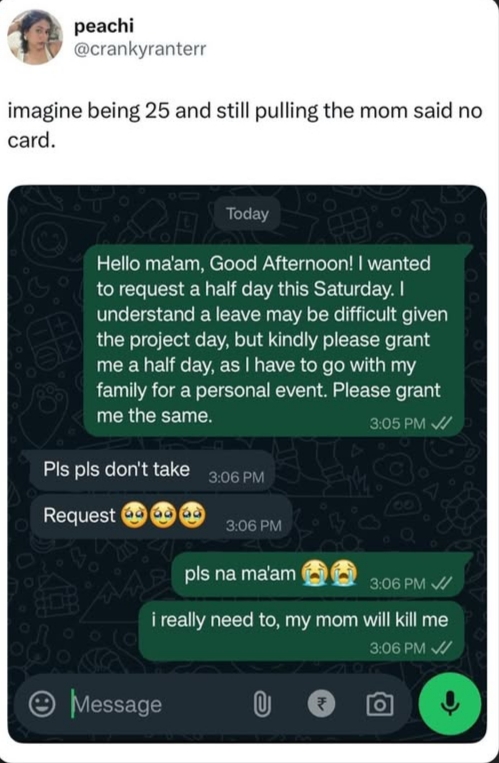
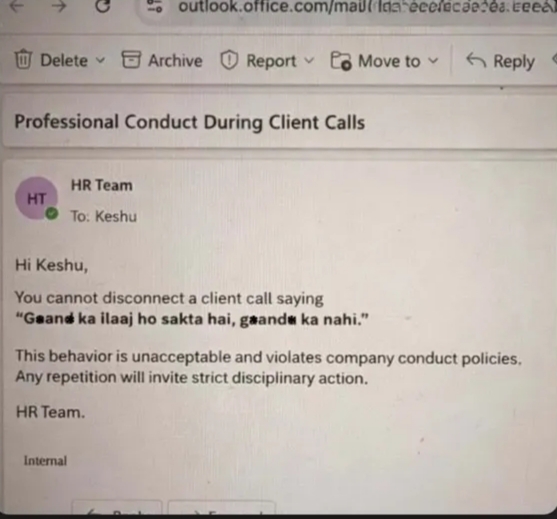
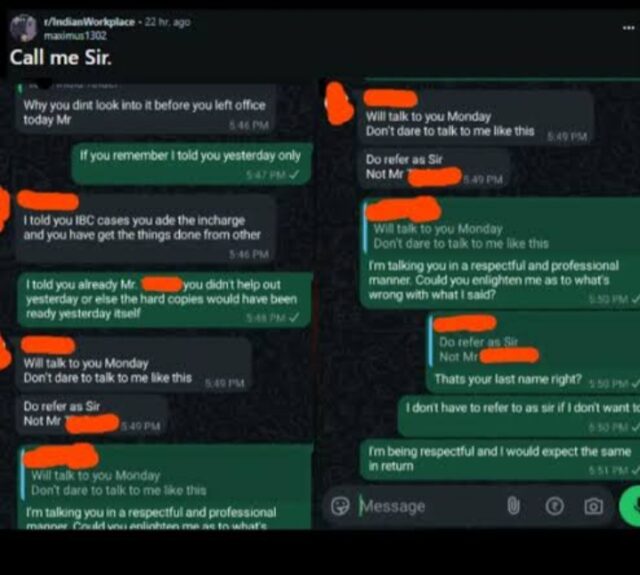
Some traditionalists see this as undignified, while others argue it reflects authentic, respectful collegiality rather than forced formality.
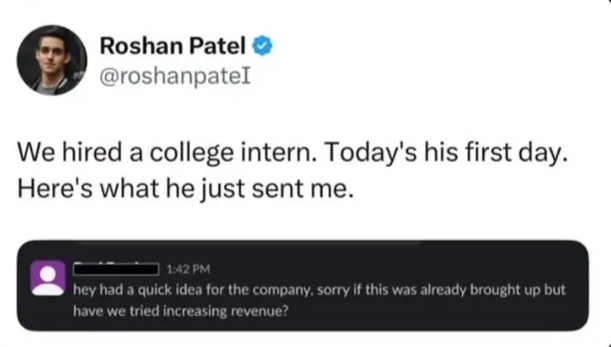
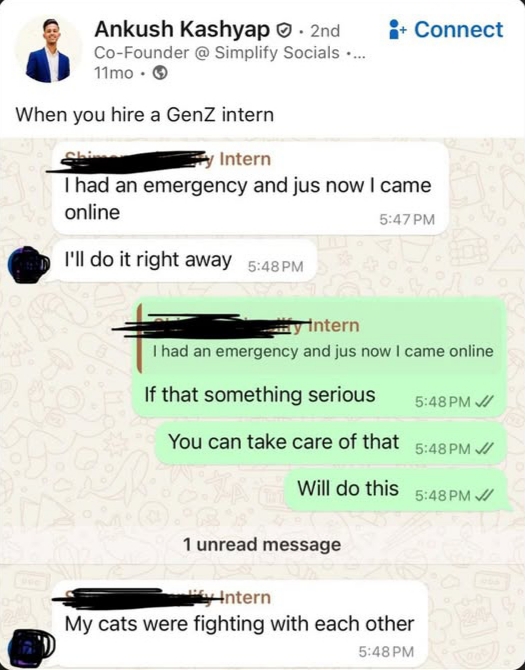
In another noteworthy episode shared online, a senior lawyer publicly reacted with disbelief to a junior Gen Z worker’s message saying he would start work the next day because he worked late the previous evening.
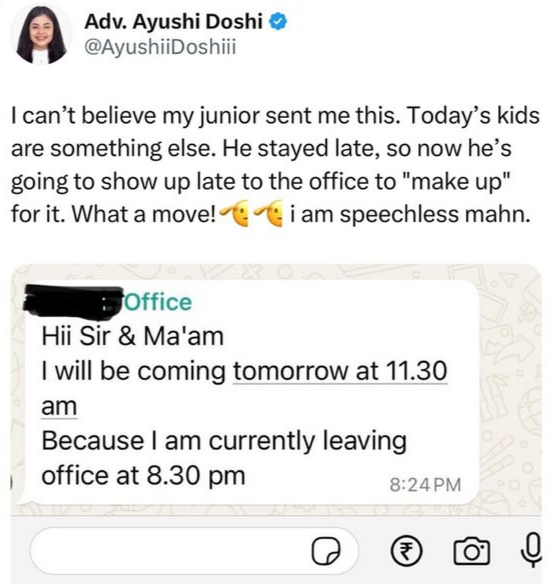
The senior labelled it unprofessional, but the wider online response defended the message as a reasonable assertion of boundaries, given the long hours.
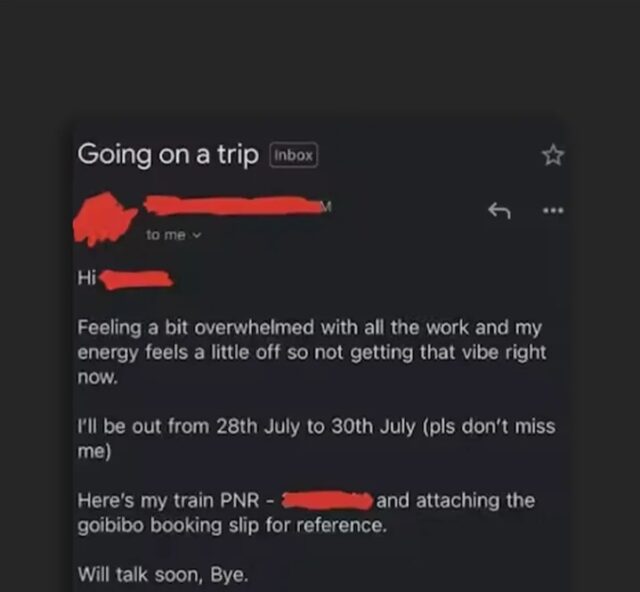
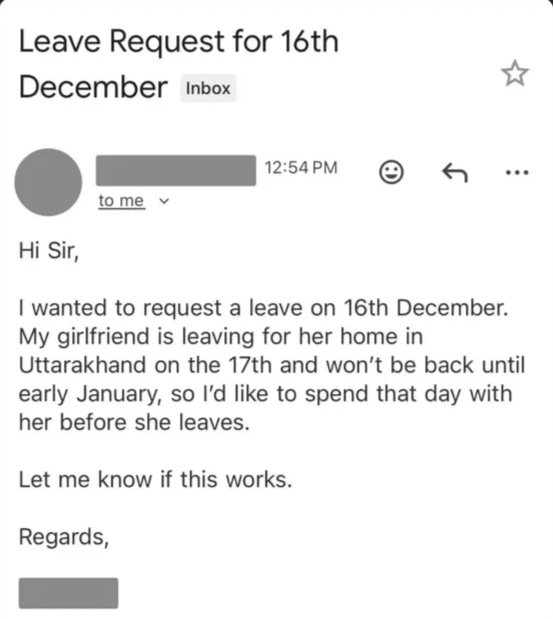
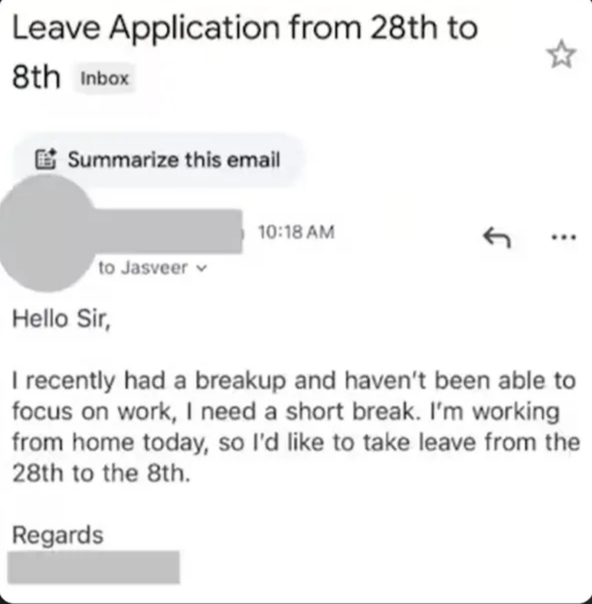
These exchanges highlight how younger workers are not willing to absorb rigid etiquette silently, as they believe it has little to do with actual productivity.
Also Read: Why Are Gen Z Giving Less Of Themselves To Work Out Of Choice?
Exposing Toxic Behaviours Through Digital Threads
Beyond individual chats, community forums like Reddit have become repositories of stories where Gen Z employees openly call out toxic manager behaviour shared via WhatsApp or team messaging groups.
One shared story involved a new joiner pushing back strongly against a manager’s unreasonable demands, even leading to dramatic workplace confrontations.
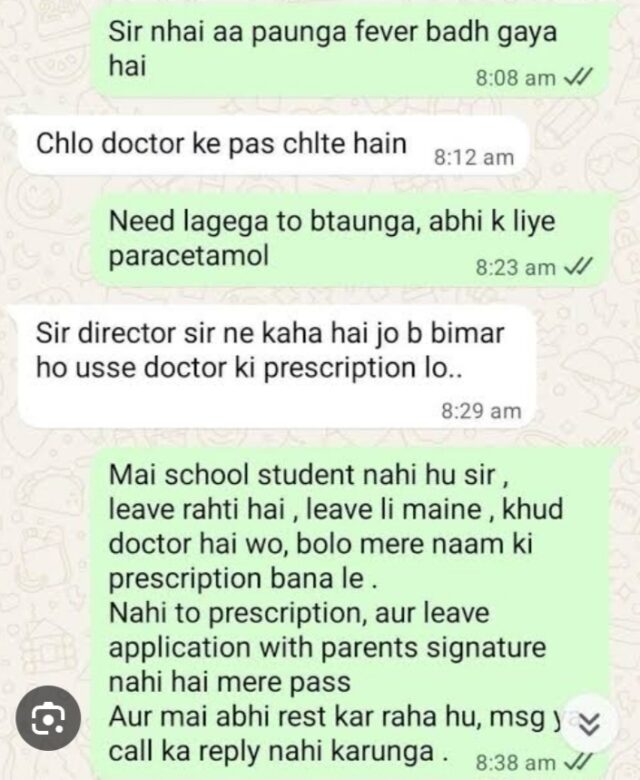
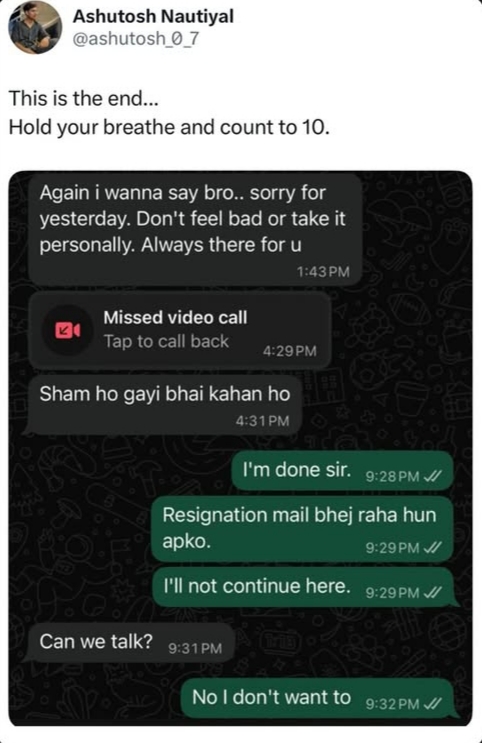 Another discussed how leaving a WhatsApp group to protect mental space led a manager to threaten career consequences. These real anecdotes reveal the real stress points where young workers are saying “no more.”
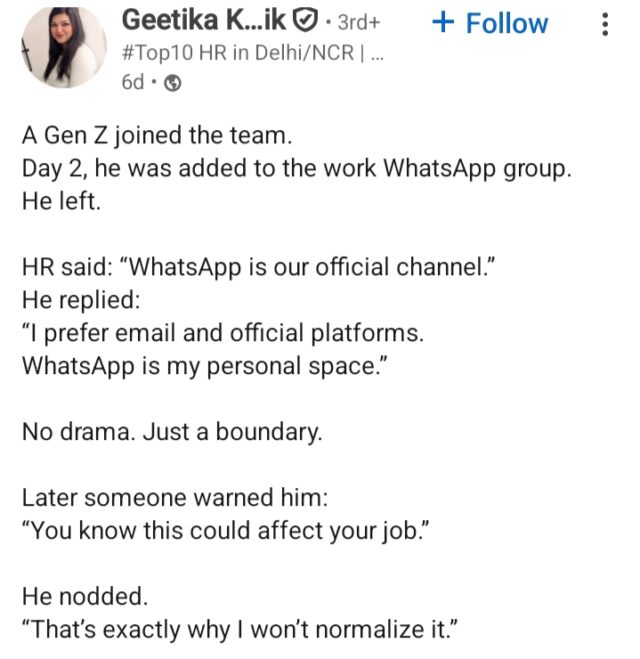
Even when managers export private group chats or try to control informal communication channels, Gen Z employees are increasingly questioning the ethics and legality of such monitoring, signalling an emerging consciousness about professional boundaries and personal data.
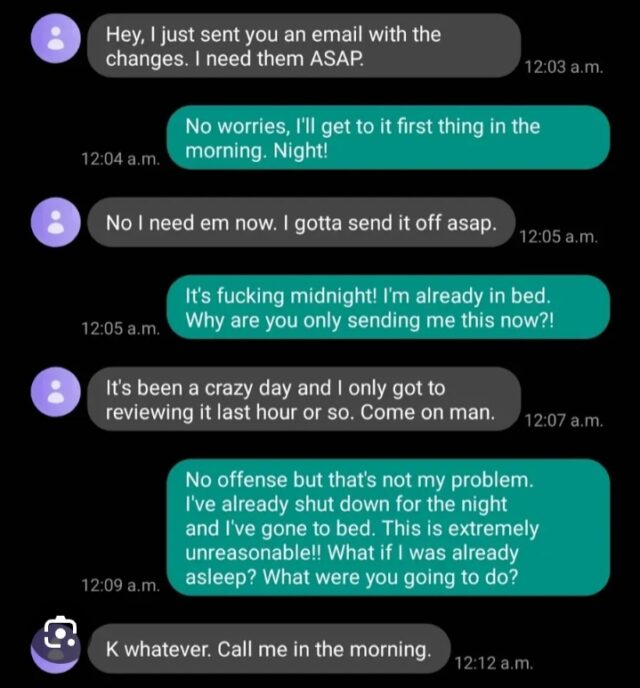
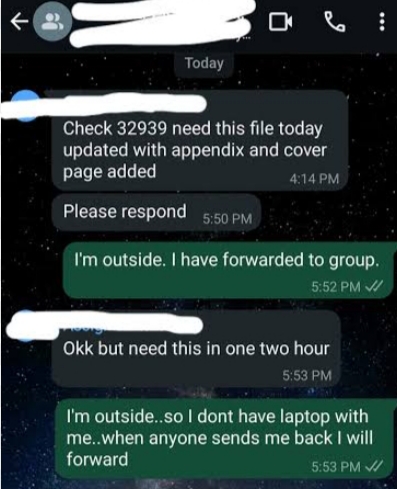
These digital exchanges don’t just amuse; they expose structural imbalances and prompt conversations about fairness and mutual respect in modern workplaces.
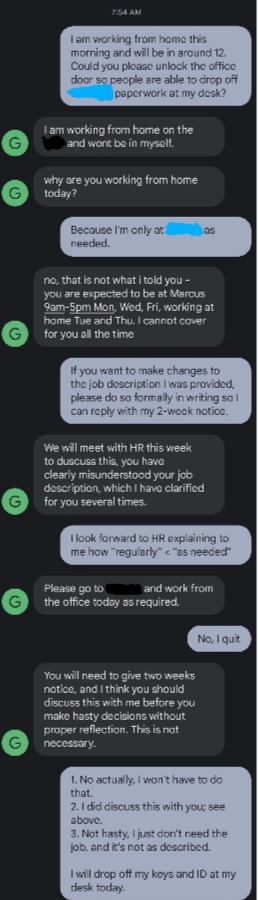
Respect Is Not Optional
The viral WhatsApp chats and message threads examined here are more than funny screenshots or quarrels over tone; they are symptomatic of a deep cultural shift.
Gen Z is not rejecting work itself. Rather, they are challenging outdated norms that treat workers like disposable labour, ignore personal boundaries, and equate hierarchy with unquestioned obedience.
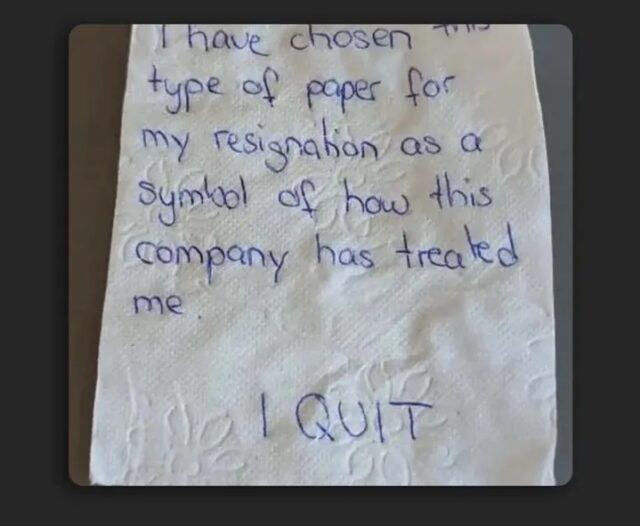
They assert that seniors are not gods, and that demanding unconditional submission to authority, even in the face of personal emergencies, exploitation, or emotional disrespect, is neither professional nor humane.
What these conversations make clear is this: workplaces that prioritise basic decency, respect for personal life, empathetic leadership, and rights to boundaries are not luxuries; they are essential foundations for productivity, trust, and long-term retention. The era of slaves at desks, silent obedience, and burned-out employees is fading.
In its place should rise a culture where respect is mutual, professional standards honour human dignity, and employees aren’t afraid to speak up for their basic rights.
Images: Google Images
Sources: The Times Of India, The Economic Times, Mint
Find the blogger: Katyayani Joshi
This post is tagged under: Gen Z at Work, Workplace Culture, Toxic Work Culture, Corporate India, Hustle Culture, Work Life Balance, Employee Rights, Workplace Boundaries, Modern Workplaces, Office Culture India, Youth and Work, Gen Z Voices, Corporate Exploitation, Mental Health at Work, Respect at Workplace, Indian Offices, Work Culture Debate, Human Centric Workplaces, Professional Boundaries, Labour Rights India, Employee Wellbeing, Career Burnout, Youth Workforce, Changing Work Norms, Workplace Equality, Corporate Accountability
Disclaimer: We do not hold any right or copyright over any of the images used; these have been taken from Google. In case of credits or removal, the owner may kindly email us.