




























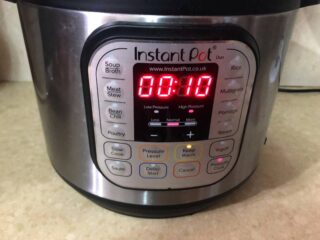
The Instant Pot pressure cooker is one of the safest on the market, but it can still produce some unwanted incidents if it’s not used according to the specifications. It is, after all, a pressure cooker that works with hot steam!
By default, the pot is equipped with 10+ default mechanisms designed to protect users against most mistakes. The type and number of safety mechanisms can differ from one version of IP to another, but there are ten basic ones available with every model.
As such, if the pot is not used properly, one of these mechanisms will be triggered. When this happens, your Instant Pot usually stops building pressure (to avoid accidents) and shows a warning message. It will not blow up the house, but it can be an annoyance, especially if you were cooking something special.
So, to avoid getting in this situation, here are seven safety tips to follow while using your IP:
#1: Follow the Recipe
At least at first, until you get used to the pot and understand all its nooks and crannies, make sure to follow tested recipes. Usually, you get a recipe book with the pot and you can find lots of new ones online.
However, when you search for recipes online, make sure they are made by real people who actually cook using an Instant Pot. For instance, these 1001 Instant Pot recipes, by Corrie Cooks, are a great and reliable source for anyone looking for a bit of diversity in their kitchen.
This step is important because you receive exact instructions on how much liquid to add, how many ingredients, and what settings to use. So, until you know how your pot behaves with all sorts of foods, it’s best to take the walked path and play it safe.
#2: Be Careful with the Steam
Many users don’t seem to understand that the steam from the pressure cooker is hotter than boiling water (the temperature can reach up to 250°F!). The pot is specially designed this way so it will cut down the cooking time without losing anything in quality.
Now, whether your pot has a manual steam release valve or an automated one, make sure to stay away from the steam coming out. It usually only takes 10 to 20 minutes for a natural release, but you can speed up the process if you choose the Quick Release feature.
Also, use oven mitts to handle the valve (in case of pots with a manual valve) and never open the lid towards your face (even when it’s safe to open it)!
#3 Follow the Guidelines Regarding Liquid
If you own an Instant Pot, you know you can’t build pressure without the right amount of liquid. But too much liquid is also problematic.
As such, always respect the fill mark (placed inside the inner pot) and try to stay below it. Also, think ahead for foods that usually expand in volume (like pasta, rice, or beans). If you overfill the pot with foods that expand during cooking, the pressure will be released when you try to open the lid, which can lead to a nasty accident.
#4: Be Careful with Starchy Foods
Foods like pasta, rice, oats, and others that produce foam while cooking can clog the steam release valve. This happens more often if you use the Quick Release feature, but it’s also a problem that can show up if you overfill the pot.
If the valve is clogged, the pot won’t be able to release steam correctly, which may lead to an unwanted increase in pressure. In most cases, the IP is designed to identify the problem and stop the cooking process, but it’s best to be safe than sorry!
To avoid any problems, always use natural steam release when cooking with starchy foods.
#5: Do Not Force Open the Lid
The lid should not be opened by force under any circumstances!
Even if you feel it’s starting to move, but it’s still a bit stiff, if the float valve is still up, leave it alone! As long as the float valve stays up, the pot is still pressurized, and forcing the lid to open can lead to an accident.
#6: Check the Sealing Ring
Placed on the inside of the lid, this tiny silicone circle ensures the pot is closed tight and no steam can escape (except through the valve).
This sealing ring needs to be in perfect shape (no cracks or dents) and must be positioned the right way. So, if you notice any problems, it’s best to get a new sealing ring before using the pot again (they are easily available online).
Otherwise, there’s the risk of a seal breach, which can lead to an explosion if it goes undetected by sensors. If it is detected, your pot won’t build up pressure.
#7: Make Sure Everything is Clean
Since this pressure cooker is made from several elements that fit into each other, food and debris can sneak up inside. As such, it’s recommended to check the inside of the outer pot (where the heating element is) and wipe the area with a clean cloth.
You should also check the ridges that allow the lid the close tight. If food gets stuck in there, you may have trouble closing the lid the right way.
Also, the inner pot, the lid, and all the accessories must be kept clean and stored in a safe place until you’re ready to use them again.
In Conclusion
The Instant Pot is one of the safest pressure cookers on the market, and if you include these safety tips in your regular use, you will never have a problem with it. However, it’s important to remember that even the safest technology can be used wrong. As such, stay alert and keep the pot away from children (especially important if the pot is on!).
When used correctly, this pressure cooker can be a fantastic help in the kitchen and it will help you improve your cooking.
(Syndicated press content)
Read more: